
How corporate video production companies deliver a seamless client experience in Melbourne
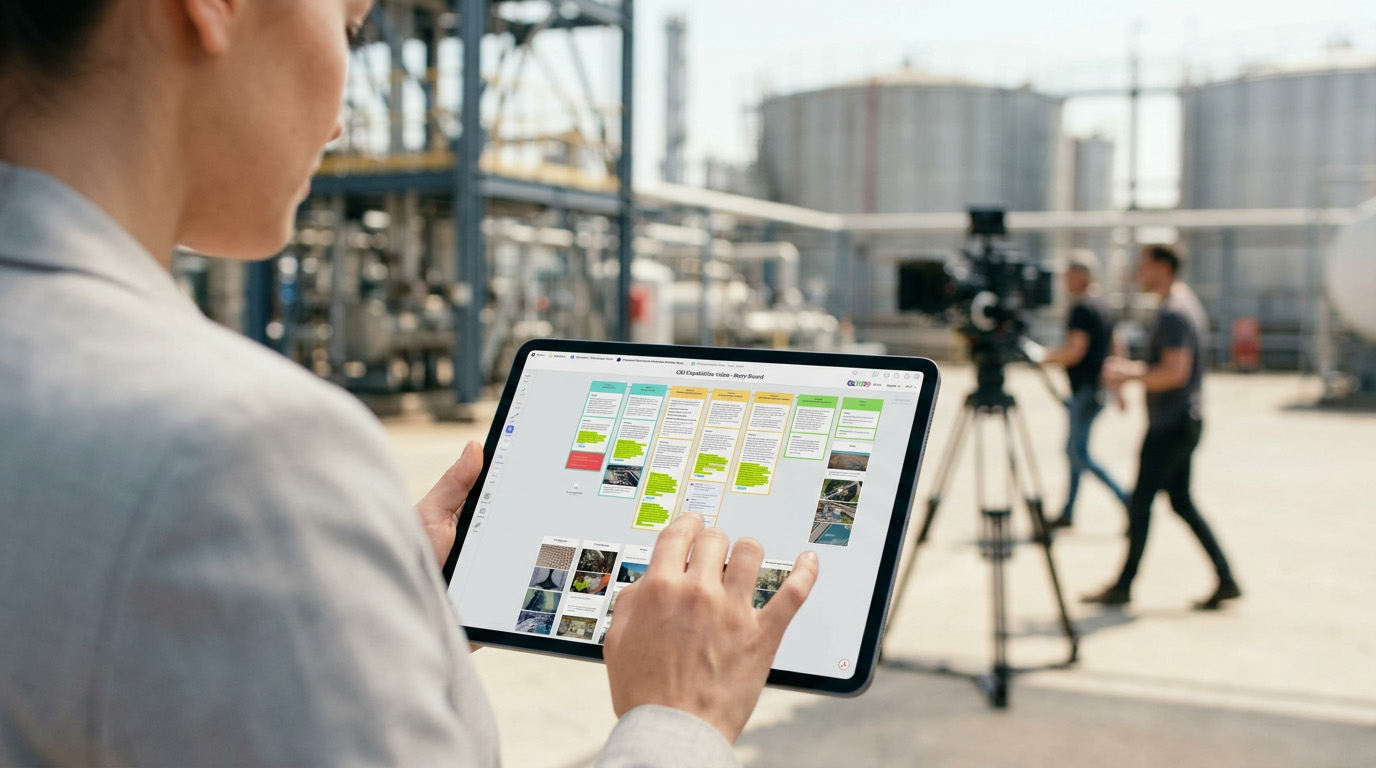

Most people judge a video production company on the final cut. Fair enough, that's the thing they paid for. But ask any marketing lead who has been through a messy production and they'll tell you the edit was never the problem. The problem was the six-week stretch before it, when nobody knew who was approving what, feedback lived in four different email threads, and the "final" version turned out to be the third final version.
A great corporate video is the output. A great process is what actually gets you there without losing your mind. At WVFRM, we've spent years refining how we run projects for corporate and B2B clients across Melbourne, and the honest truth is that the production companies clients rave about aren't the ones with the fanciest cameras. They're the ones who make the whole thing feel effortless from the first brief to the final delivery.
Here's how that seamless, end-to-end experience actually gets built, and the tools we lean on to make it happen.
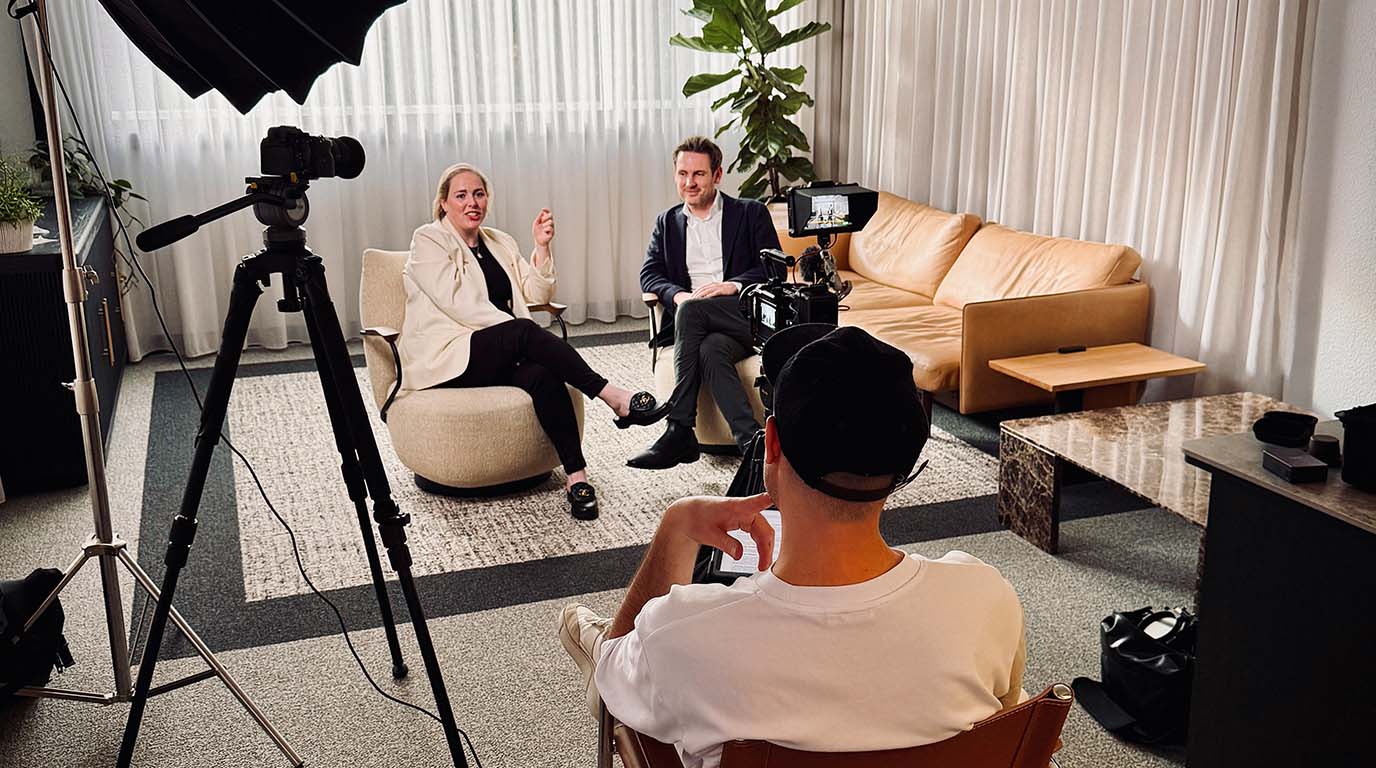
The real challenge isn't filming. It's coordination.
A single corporate video project pulls in more people than most clients expect. On our side there's a producer, director, camera team, editor, colourist, sound, and often a motion designer. On the client side there's usually a marketing manager running point, a brand or comms lead with opinions on tone, a subject matter expert who needs to sign off on accuracy, and frequently someone in legal or leadership holding final approval.
That's easily a dozen people, spread across two or more businesses, all needing to move toward one goal. When a video production company Melbourne businesses trust gets this right, none of those people feel the complexity. When it goes wrong, everyone feels it, and it usually shows up as delays, scope creep, and a final product that pleased a committee instead of the audience.
The job of a good production partner is to absorb that coordination so the client doesn't have to. That's the entire game.
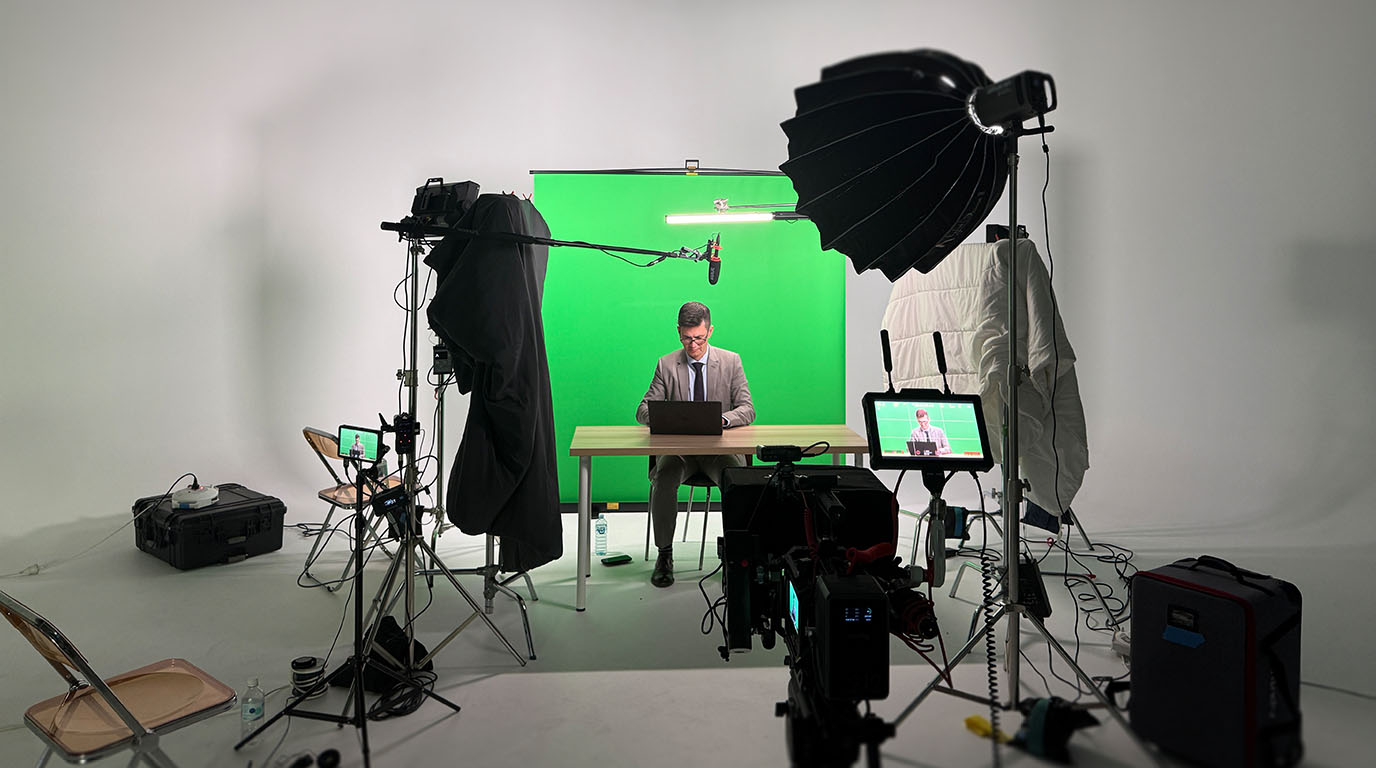
Why a single source of truth changes everything
The biggest cause of production chaos is scattered information. The brief is in an email. The shot list is in a Google Doc someone forgot to share. Feedback on the first cut is split between Slack, a phone call, and three replies on a Vimeo link. Multiply that across a dozen stakeholders and you've built a machine for miscommunication.
The fix is simple to say and hard to do consistently: everything lives in one place, visible to everyone who needs it, updated in real time.
For us, that place is Milanote.
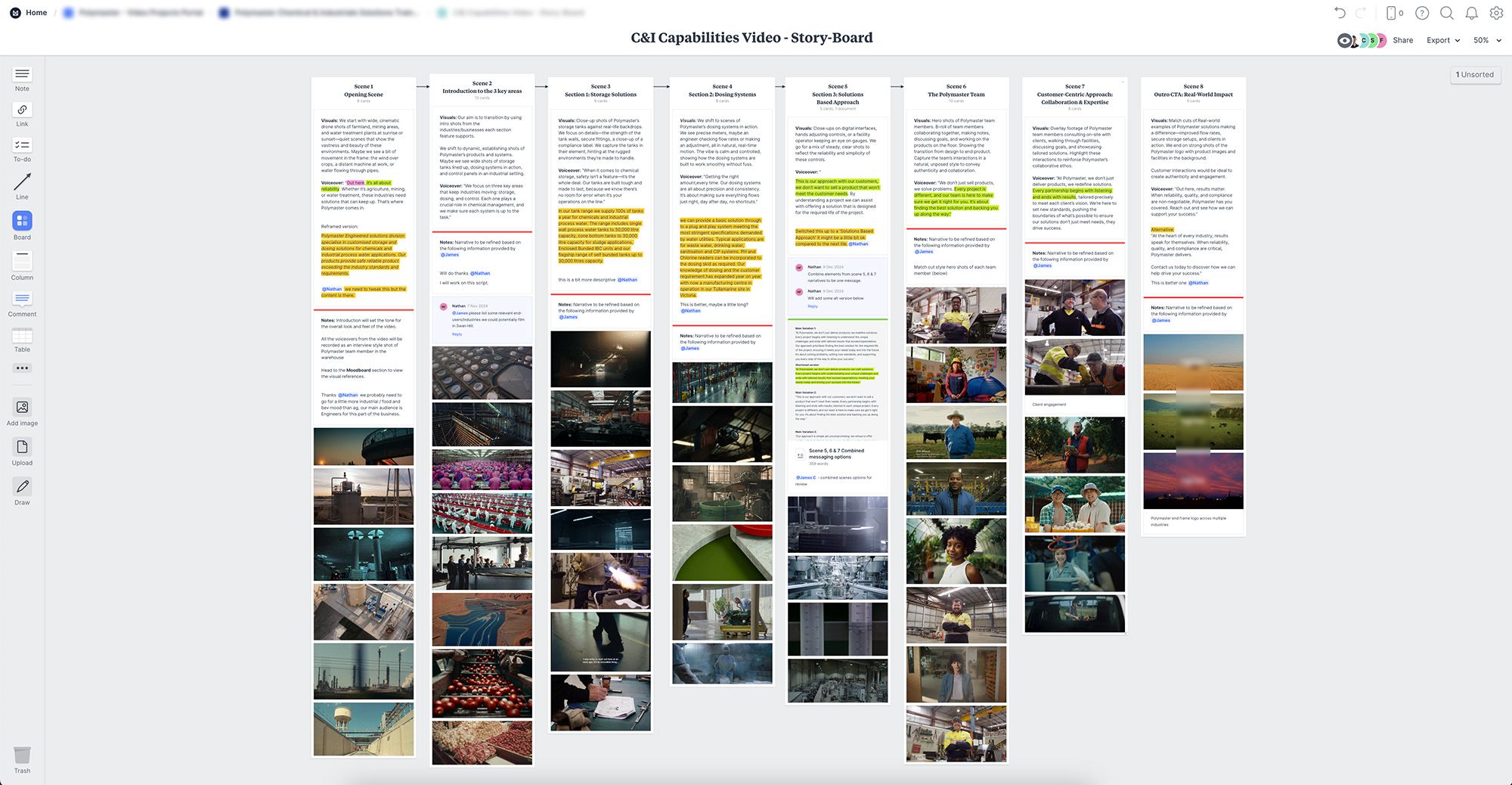
How WVFRM uses Milanote as our client delivery hub
We run every corporate video project through Milanote, and it's become the backbone of how we keep clients in the loop from day one. Milanote is a visual workspace, which matters more than it sounds, because video is a visual medium and clients understand a project far better when they can see it laid out rather than read about it in a status email.
Here's how it works in practice across a typical project.
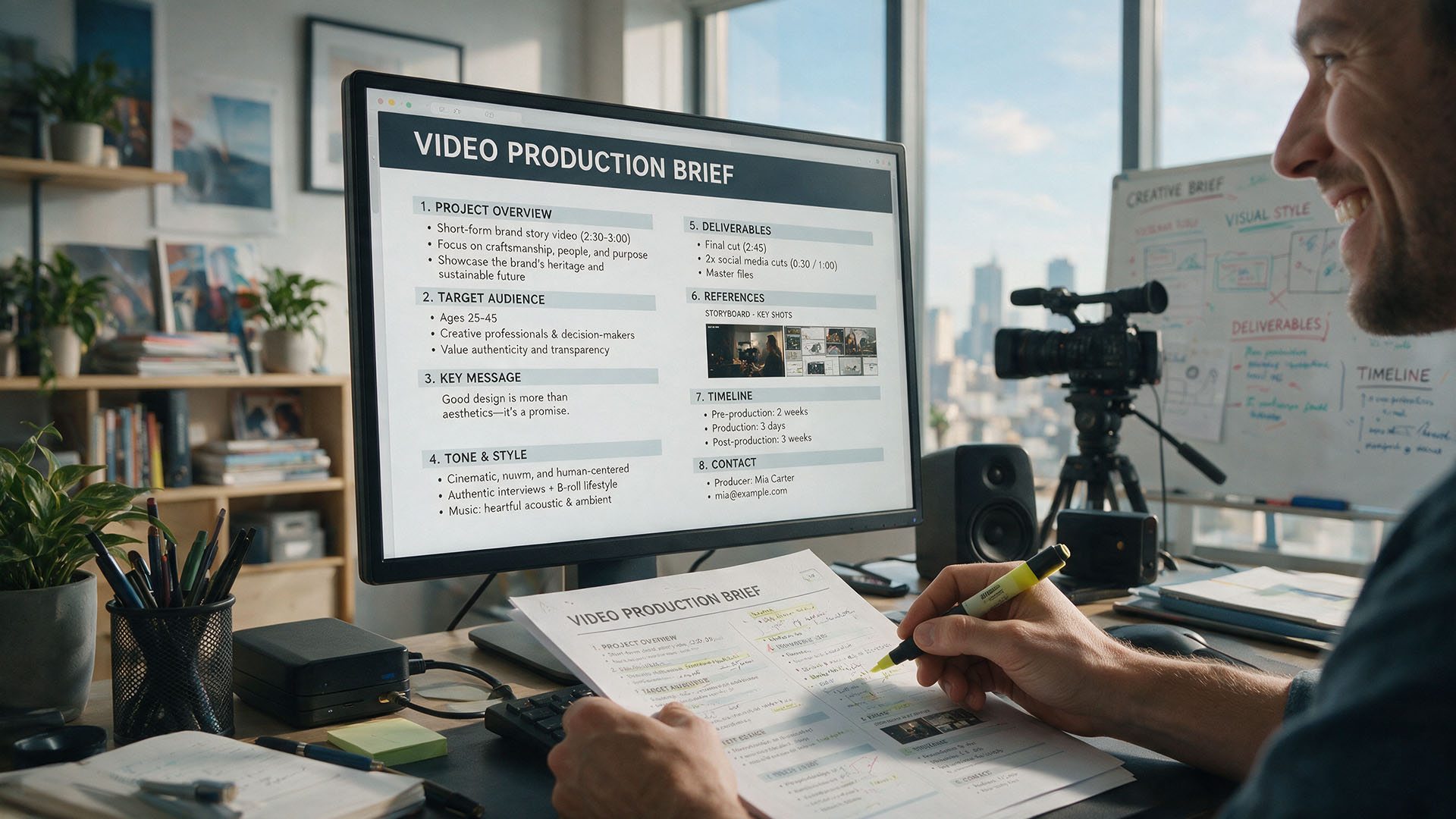
The brief and concept board. Right after we win a project, we build a shared board that holds the creative direction, references, tone, and objectives. The client can see exactly how we've interpreted their brief before a single frame is shot. If we've misread something, we catch it here, when it costs nothing to fix, instead of in the edit.
Pre-production planning. Shot lists, schedules, location details, interview questions, and call sheets all sit in one visual board. Everyone from the client's marketing lead to our camera operator is looking at the same information, so nobody turns up to a shoot day confused about the plan.
Shoot day clarity. When we're producing a corporate event video, timing is everything, and there are no second takes on a live event. Having the run sheet, the priority shot list, and the key moments mapped out visually means the whole crew moves as one unit. It's a big part of how we deliver as a corporate event videographer without the client ever feeling the pressure behind the scenes.
Review and approval. This is where scattered feedback usually kills momentum. In Milanote, cuts and feedback live in one thread, so approvals move in a straight line instead of ricocheting around inboxes. Stakeholders comment in context, we action it, and there's a clear record of what was decided and by whom.
Delivery. Final files, formats, cutdowns, and usage notes are handed over in the same organised space the client has been living in for weeks. No zip file lost in an inbox, no "which one was the final?" confusion. Just a clean, considered handover.
The point of all this isn't the software itself. It's what the software lets us do, which is give the client a calm, transparent, professional experience where they always know exactly where their project stands.

Galvanising two businesses toward one objective
The hardest part of any corporate video production is that you're not managing one team, you're aligning two. Your production company and the client's marketing function have to operate as a single unit for a few intense weeks, and that only works if three things are true.
Shared visibility. Everyone sees the same information at the same time. This is what a central hub like Milanote solves, and it's why we refuse to run projects out of email.
Clear ownership. Every stage has one person accountable for the decision. Committees don't approve videos well, but a single empowered decision-maker with the right stakeholders feeding in does. We help clients structure their approvals this way from the start.
Momentum. Corporate video production Melbourne clients often work to tight campaign or event deadlines, and momentum is fragile. A day of silence on an approval can push a delivery back a week. Our job is to keep the project moving, chase gently, and remove blockers before they become delays.
When those three are in place, two separate businesses stop feeling like two businesses. They feel like one team chasing one outcome, which is exactly the experience a good production partner should deliver.
The seamless experience is the product
We think the process is part of the deliverable, not a cost of doing business. A brand video production or a case study video is only as good as the working relationship that produced it, and clients remember how a project felt long after they've stopped counting the views.
That's why we've built our entire workflow, Milanote included, around one idea: make it feel effortless. Absorb the complexity. Keep everyone aligned. Deliver something the client is proud of, produced in a way that makes them want to come back.


.svg)