
AI Video Production Melbourne: Honest Positioning

AI video production Melbourne: honest positioning
AI video is not the future. It is here now. It is also not replacing human videographers, and anyone who tells you otherwise is selling something.
Here is what AI video actually does, what it cannot do, when it makes sense, when it does not, and how a production company thinks about it.
What is AI video production?
AI video generation uses machine learning models trained on millions of videos to create new footage from text prompts, images, or existing footage. You describe what you want, the AI generates it.
It sounds like magic. It is not magic. It is pattern matching at scale.
Current AI can generate:
- Short product videos from text descriptions
- Animated explainer videos from scripts
- B-roll and stock footage alternatives
- Simple motion graphics
- Avatar-based talking head videos (one person, multiple scripts)
Current AI cannot generate:
- Authentic interview footage (people look uncanny)
- Complex multi-actor scenes
- Footage that matches your actual brand guidelines perfectly (without extensive iteration)
- Video that passes for human-shot on first try
- Anything legally proprietary without disclosure issues
The honest limitations (they are real)
1. The uncanny valley problem
AI-generated people look almost human. Almost is not good enough for corporate video. They look like deepfakes. Your audience will notice something is off, and that damages trust. For corporate video that builds trust, human talent still matters
2. Iteration is time-consuming
You do not generate once and done. You prompt, regenerate, adjust, regenerate, adjust. A simple AI video that looks polished takes 30 to 40 iterations. That is not faster than shooting.
3. You cannot control brand consistency perfectly
AI does not know your brand guidelines, your colour palette, your visual language. It generates something close. You spend hours in post-production making it match your brand. That is editing work that reduces the time savings.
4. Authenticity is still king
If your video is supposed to feel authentic (customer testimonials, founder message, behind-the-scenes), AI breaks that. Audiences can sense when something is synthetic. For trust-building content, human is essential.
5. Copyright and attribution issues
The model was trained on footage. Whose footage? What do you owe them? AI companies are still figuring this out legally. Using AI-generated video might expose you to liability depending on jurisdiction and use case.
When AI video makes sense
Stock footage replacements: You need generic B-roll (office scenes, nature shots, urban environments). AI can generate this faster than licensing stock or shooting your own. This is where AI wins decisively.
Animated explainer videos: You have a complex concept that needs visual explanation. AI can generate motion graphics and animated sequences faster than an animator. This works.
Variation and repurposing: You have one video and need three versions (different headlines, different music). AI can regenerate variations. Faster than reshooting or re-editing.
Internal training content: Footage does not need to look perfect. An AI-generated safety training video or onboarding video is fast and cheap. Perfect for this use case.
Rapid prototyping: You want to test a concept before investing in a full shoot. Generate an AI version, get feedback, shoot the real thing if it works. Smart workflow.
When AI video is a mistake
Customer testimonials or interviews: Do not use AI. Generate an actual interview. AI testimonials damage trust.
Brand hero content: Product launches, founder messages, brand positioning. These need authenticity. AI looks cheap here, even if it is technically perfect.
Anything customer-facing and high-stakes: Investor pitch, regulatory communication, public-facing announcement. One uncanny AI moment and you look unprofessional.
Content that needs to match your actual location or team: You want footage of your actual Melbourne office, your actual team, your actual product. AI cannot match reality. Shoot it.
Emotion-heavy content: If the video needs to move people emotionally, AI is not there yet. Human stories beat AI generation every time.
The real cost of AI video
AI tools are cheap ($20-$100/month for access). But the actual cost of usable AI video is higher than marketing claims.
What you pay for:
- Monthly subscription to the AI tool
- Your time iterating and prompting (30-40 attempts for one usable video)
- Post-production editing and brand alignment work
- Potentially a designer or producer managing the workflow
- Revision and iteration time (which is not free)
Total cost for a polished AI video: $500-$2,000, depending on complexity and iteration.
Total cost for a shot video: $3,000-$7,000 for a production company.
The gap is real. But it narrows once you factor in iteration time and post-work.
How WVFRM thinks about AI
We do not use AI to replace humans. We use it to augment production.
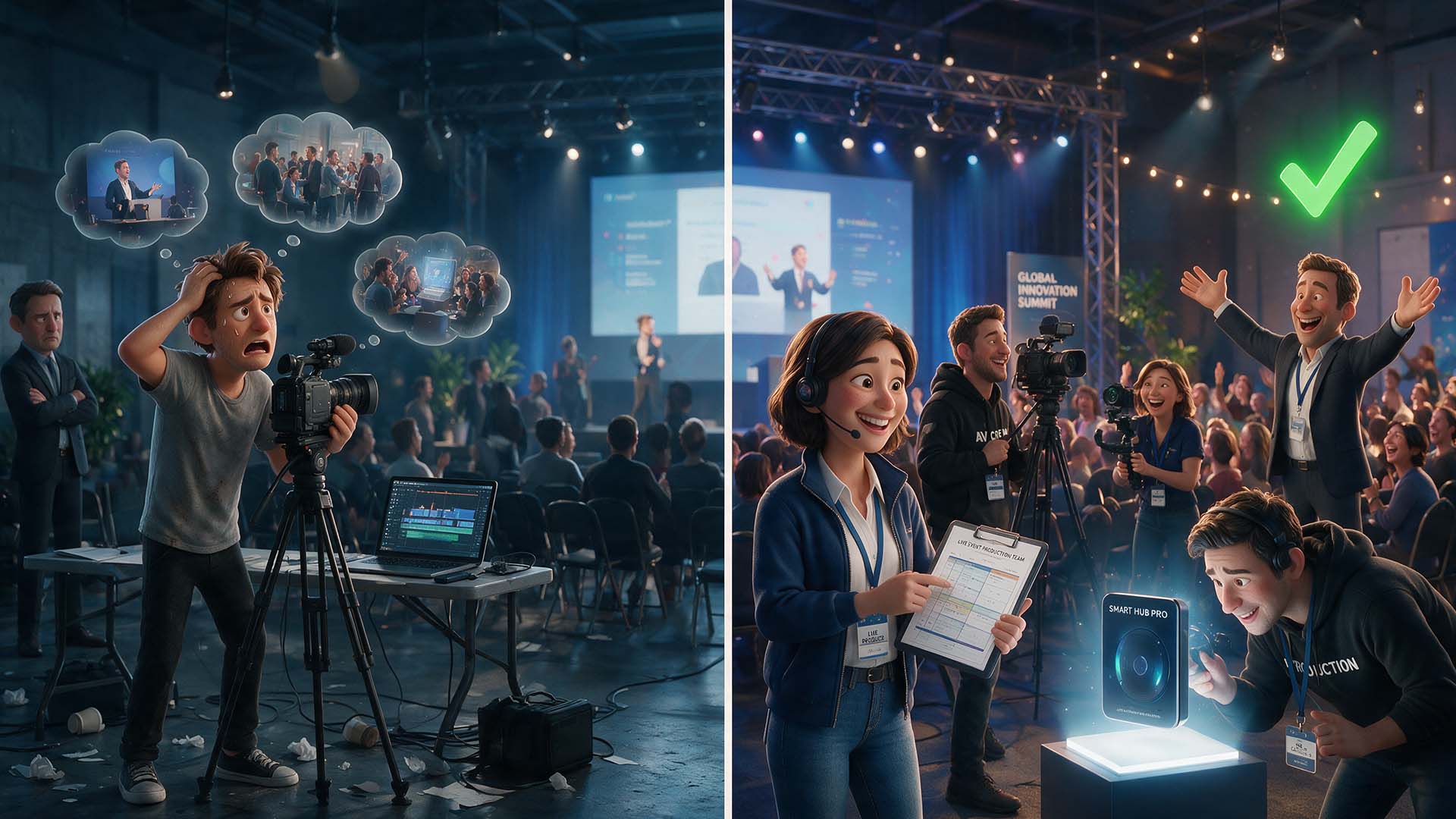
For projects where it makes sense, we generate AI B-roll to reduce shoot time. We create AI variations of finished videos to test messaging before committing to reshoots. We use AI motion graphics to speed up post-production.
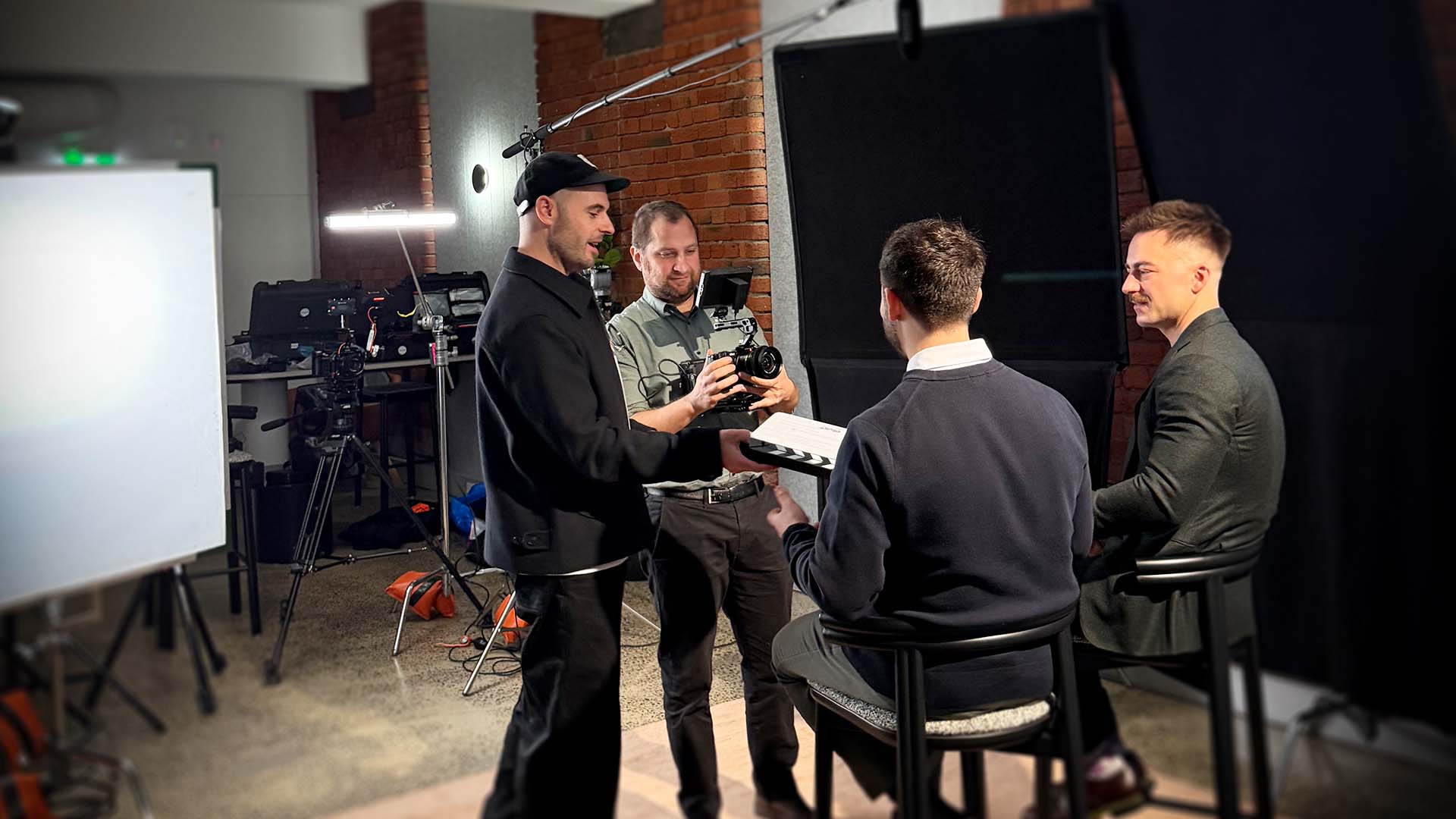
For hero content, customer testimonials, and anything that needs authenticity, we shoot it. No shortcuts.
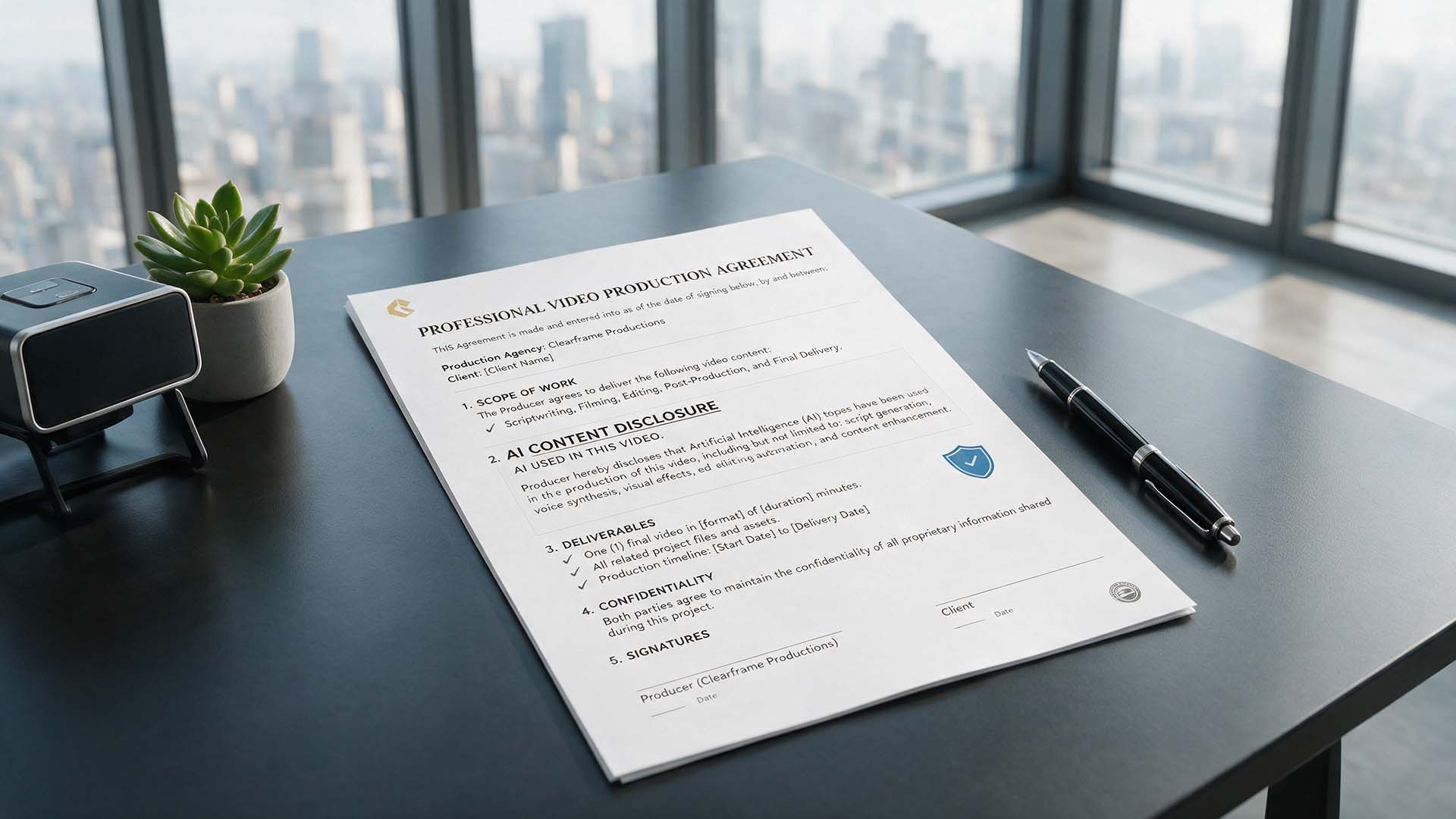
We are transparent about it. If your video includes AI-generated elements, you know. We disclose it in your agreement. Audiences should know what they are watching.
Our pricing reflects this. A video with AI-assisted B-roll costs slightly less than a full-shoot equivalent. A video that is 100% AI costs less but looks like AI. There is no hiding that trade-off.
The future of video is not "AI replaces humans." It is "humans use AI smarter." That is where we are heading.
Not sure if AI video makes sense for your project Get in touch with a brief and we will tell you honestly whether AI, human, or hybrid is the right call.
Frequently asked questions about AI in video production
.svg)