
How much does an event videographer cost in Melbourne?

What is event videography, and why does it matter?
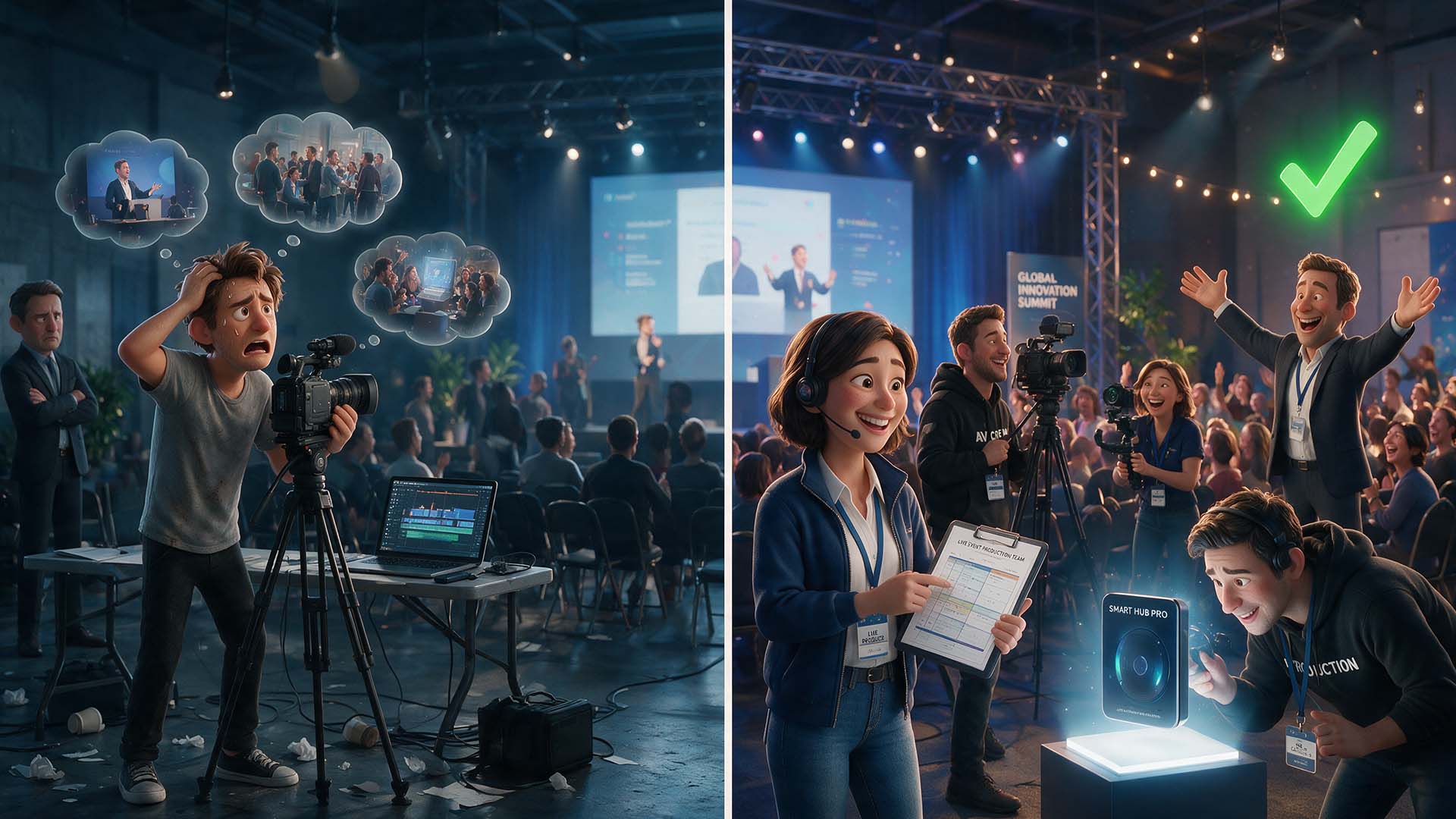
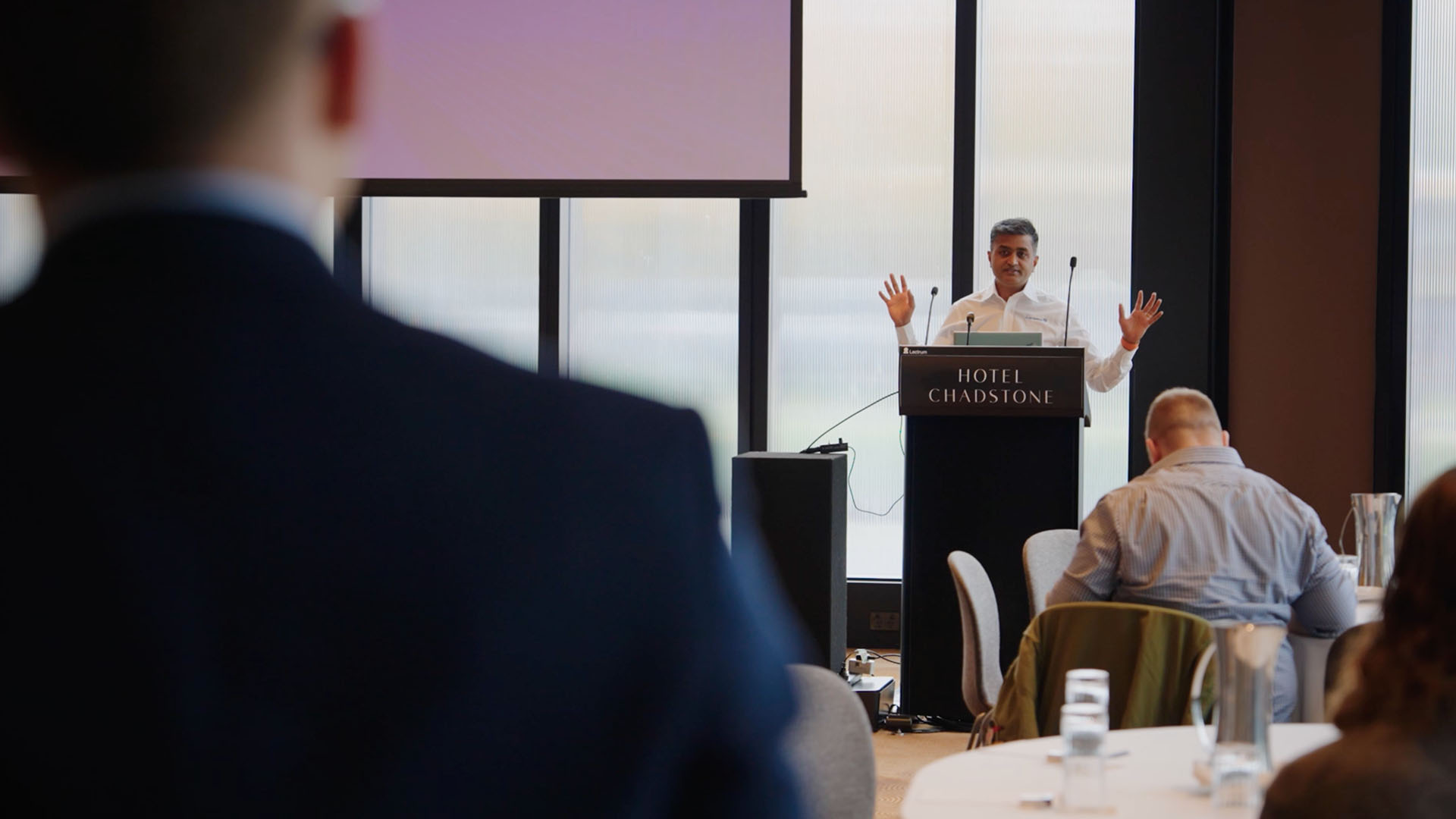
Event videography is not a staged shoot. It is you capturing what actually happened. When your keynote speaker lands a line that lands, when someone's face lights up during a product reveal, when 200 people stand up and clap. That is what gets recorded.
It is different from a still photographer, who freezes a moment. Video captures the energy, the sound, the movement. Unlike corporate video production, which is staged and scripted, event videography documents what actually happens. For corporate events, it becomes proof. Not "we held an event" but "this is what it felt like to be there." Most people who miss your event will never see it firsthand. They will see the video. That 90-minute keynote becomes five 30-second clips on LinkedIn. A product reveal becomes a social reel. A team celebration becomes internal comms material that people actually watch.
That is why it matters.
How much does an event videographer cost in Melbourne?
Event videography in Melbourne runs $3,000 to $7,000 for a full-day shoot. The variation is not random. It depends on how many people show up on the day, what equipment they bring, and how much time they spend editing afterwards. Here is what you are actually paying for at each tier:
Add-on costs (not included in day rate):
- Additional edit packages (social clips, testimonial cuts): $500 to $2,000
- Drone aerial footage: $500 to $1,500
- Graphics, animation, or motion overlays: $300 to $1,000 per minute
- Extended editing or reshoots: Negotiated
What drives event videography pricing?
Event videography is not a commodity. Five things move the needle on price.
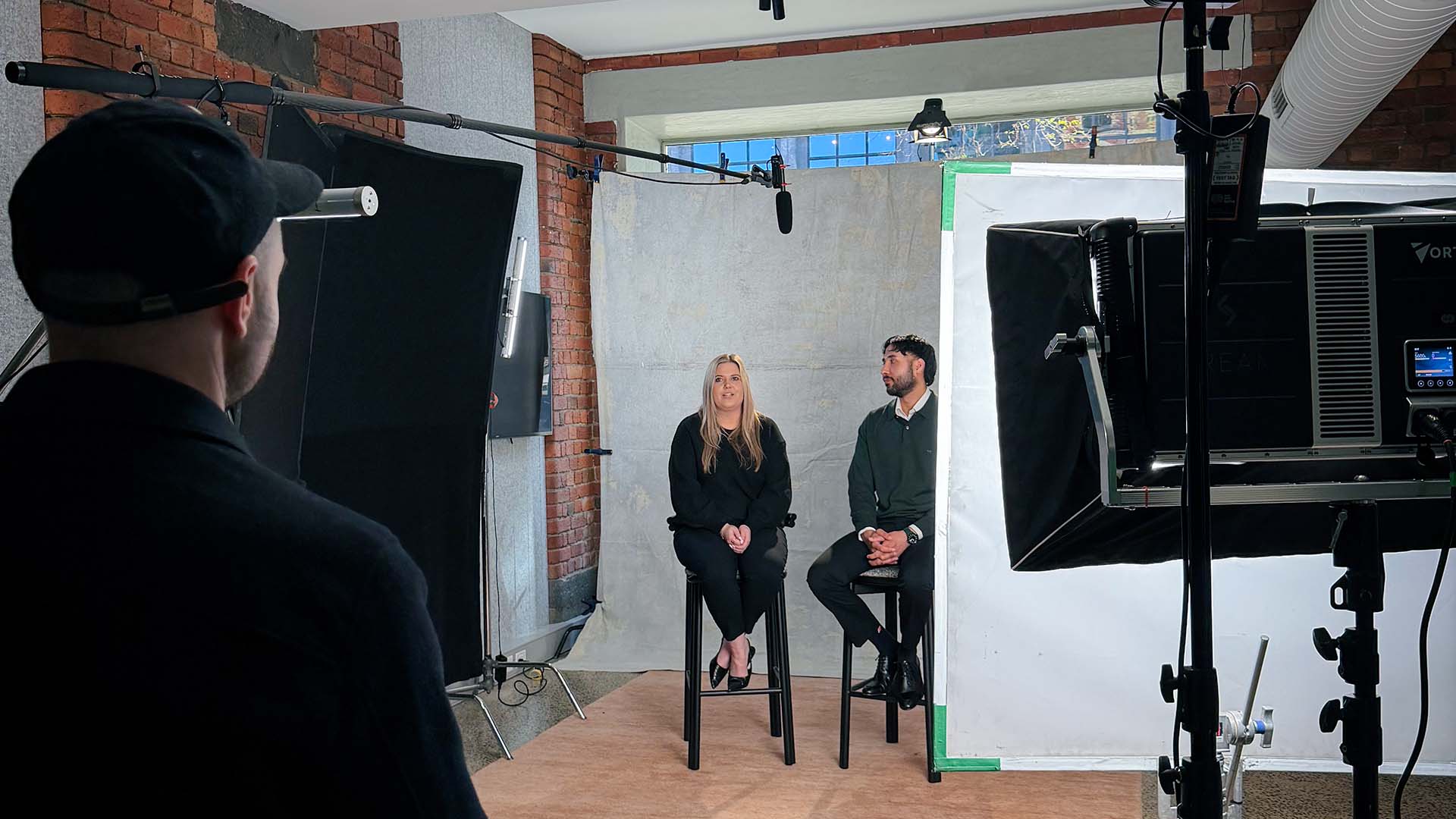
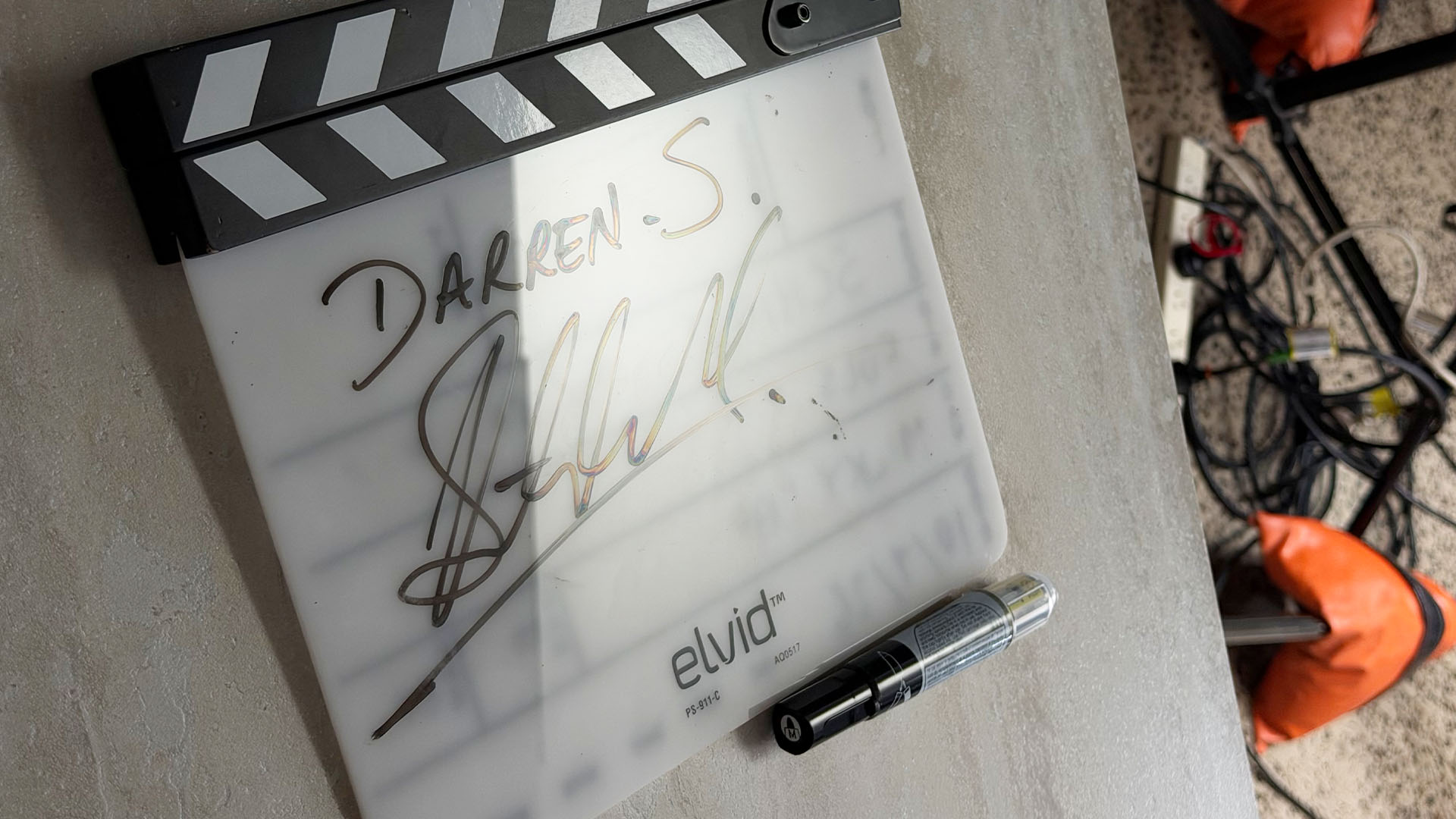
1. Crew size and experienceSolo operator with a camera: $3k. Camera operator, focus puller, audio specialist, producer: $7k. The difference is redundancy and finesse. A single operator films the keynote from one angle. If their camera fails halfway through, you have no backup. A full crew brings multiple cameras, multiple audio systems, backup batteries, and people whose job is not to film but to make sure filming happens smoothly. You pay for that insurance and expertise.
2. Camera and equipment qualityConsumer cameras are cheap. Cinema cameras cost tens of thousands of dollars. So do professional wireless audio systems, lighting rigs, and stabilisation equipment. Event videographers who invest in that gear charge more because they have more to lose and more to maintain. The footage quality usually reflects it.
3. Post-production complexityEditing a 3-minute highlight reel from a single-camera shoot is fast work. Editing an 8-minute multi-camera cut with motion graphics, custom titles, and proper colour grading takes weeks. Clients routinely underestimate how long this takes. An editor is not just arranging clips. They are building narrative structure from hours of raw footage. That is slow, careful work, and it costs time.
4. Event size and complexityFifty people in one room, one camera, one angle. Five hundred people across three breakout sessions with live streams, VIP interviews, and content for two channels simultaneously. That second scenario needs multiple operators, producers managing the day, audio specialists keeping wireless mics alive, and someone thinking about where the story is at every moment. Complexity compounds fast.
5. Timeline and revision expectations"We need it tomorrow" versus "we need it in three weeks" changes everything. Overnight turnarounds mean overtime, expedited editing, sometimes bringing in a second editor just to meet deadline. On the flip side, someone who says "I want unlimited revisions" usually means 5, 6, 7 rounds of notes, which eats weeks of editor time. Professional agreements usually cap revisions at 2 to 3 rounds upfront. That protects both sides.
How to budget for event videography
1. Get honest about your event sizeTwenty people at a board dinner is not the same as 200 at an awards ceremony. Neither is a three-location hybrid event with parallel sessions and breakout content. The videographer needs to know this upfront because it changes crew size and complexity dramatically. A single operator works for intimate events. Anything bigger, you need people whose sole job is managing what happens offscreen.
2. Decide what "done" looks likeNot "a video" but specifically what. A 3-minute highlight reel and done? Or do you want social cutdowns, a long-form edit for internal use, testimonials cut separately, graphics, music licensed? Each addition extends the edit timeline and changes the budget. Nail this before you send the brief. Changes mid-project are always more expensive.
3. Talk about revision limits upfrontNot "unlimited revisions" but a number. Two to three rounds is standard. That means they deliver a cut, you give notes, they revise, you give notes again, they revise, done. Beyond that, you are into hourly territory and costs spike. Transparent videographers will tell you this structure before you sign anything.
4. Ask what crew and gear actually show upTwo videographers at $5,000 will not deliver the same thing. One might be solo with a mirrorless camera and a one-day turnaround edit. The other is a camera operator and focus puller with cinema gear and two weeks of post-production. Ask questions. Equipment quality and crew size explain most of the price variation you will see.
Is event videography worth the cost?
Depends what you do with it. One 90-minute keynote becomes five 30-second clips. A product reveal becomes a social reel. A team celebration becomes internal comms nobody fast-forwards through. Done right, a single day of filming fuels 8 to 12 weeks of social content. Some clients recoup the entire investment just through organic reach before the invoice is even due.
But if the footage sits on a hard drive untouched, it was expensive. If you plan to use it, event videography is often your cheapest content cost per finished minute. Worth thinking about before you book.
Event videography at WVFRM
We shoot events for corporate clients across Melbourne. Entry point is $3,000 for a single-camera day with a finished reel. Go multi-camera with extended cuts and social assets, and it is $7,000. What matters more than the number is what actually shows up on the day.
We handle the moving parts: talking to your venue tech crew beforehand so there are no surprises, managing multiple camera angles simultaneously, recording clean audio even when venues are loud, and delivering polished edits within 2 to 3 weeks. Most clients come back wanting social cutdowns or testimonial recuts afterwards, which is where the footage pays dividends.
If you have an event coming up, send a brief over and we will scope crew and timeline before quoting anything.
.svg)