Where Your Video Production Budget Actually Goes
By Nathan Follett Founder, WVFRM
{ "@context": "https://schema.org", "@type": "FAQPage", "mainEntity": [ { "@type": "Question", "name": "Why is editing 50% of the budget?", "acceptedAnswer": { "@type": "Answer", "text": "Because it takes time. An editor watching hours of footage, assembling a narrative, colour grading, adding sound design, and managing revisions is 20-30 hours of skilled labour. That is not free." } }, { "@type": "Question", "name": "Can you cut costs by reducing the crew?", "acceptedAnswer": { "@type": "Answer", "text": "You can hire a freelancer with one person doing multiple jobs. Costs go down. Quality and reliability go down too. A production company crew is sized to handle the work without anyone being stretched thin." } }, { "@type": "Question", "name": "Do I have to pay for all the overhead costs?", "acceptedAnswer": { "@type": "Answer", "text": "Yes. These are real costs. Insurance protects you if something goes wrong. Software subscriptions enable the work. Backup systems save your footage if a hard drive fails. Overhead is not profit. It is operational cost." } }, { "@type": "Question", "name": "Can I negotiate to pay for fewer revision rounds?", "acceptedAnswer": { "@type": "Answer", "text": "Yes. Fewer revision rounds lower the cost. But understand the trade-off. Two revision rounds might cost $8,000. Four revision rounds might cost $9,500. Unlimited revisions are a cost killer." } }, { "@type": "Question", "name": "Why does equipment cost so much?", "acceptedAnswer": { "@type": "Answer", "text": "Cinema cameras cost $10,000-30,000. Lenses cost $2,000-5,000 each. Audio systems cost $3,000-8,000. Lighting kits cost $5,000+. That is not rental. That is what production companies own. Your shoot is one of dozens that pays for this capital investment." } }, { "@type": "Question", "name": "Is it cheaper to use one freelancer instead of a production company?", "acceptedAnswer": { "@type": "Answer", "text": "Yes, upfront. A freelancer charges $2,000-4,000. A production company charges $9,000+. But the freelancer has no backups, no insurance, and less accountability. Lower price comes with higher risk." } }, { "@type": "Question", "name": "How much of the budget is profit?", "acceptedAnswer": { "@type": "Answer", "text": "5-10% if we are running lean. That profit pays for admin staff, office space between projects, and the time spent on failed leads and quote-only conversations. It is not excessive." } } ] }
TL;DR
"Why does video production cost so much?"
Common question. Fair question. Most people assume it is just camera work and a little editing. It is not.
Here is where every dollar goes in a $9,000 production.
Pre-production: planning and preparation ($1,000-$1,300)
Before crew arrives, work has been done.
Creative meeting and strategy: Videographer discusses your goals, refines the concept, aligns on approach (2-3 hours, $300-$450).
Location scouting: If you have not selected your shoot location, videographer scouts options, checks lighting, checks power access, checks audio environment (2-3 hours, $300-$450).
Talent coordination: Booking talent, scheduling interviews, confirming availability, sending shot lists (2-3 hours, $200-$300).
Equipment prep: Camera testing, audio system checks, power and backup systems staged (2-3 hours, $200-$300).
This work is invisible to you. It is essential. A shoot that goes smoothly looks easy because the hard work happened before day one.
Shoot day: crew labor ($3,600-$4,500)
This is the largest single expense.
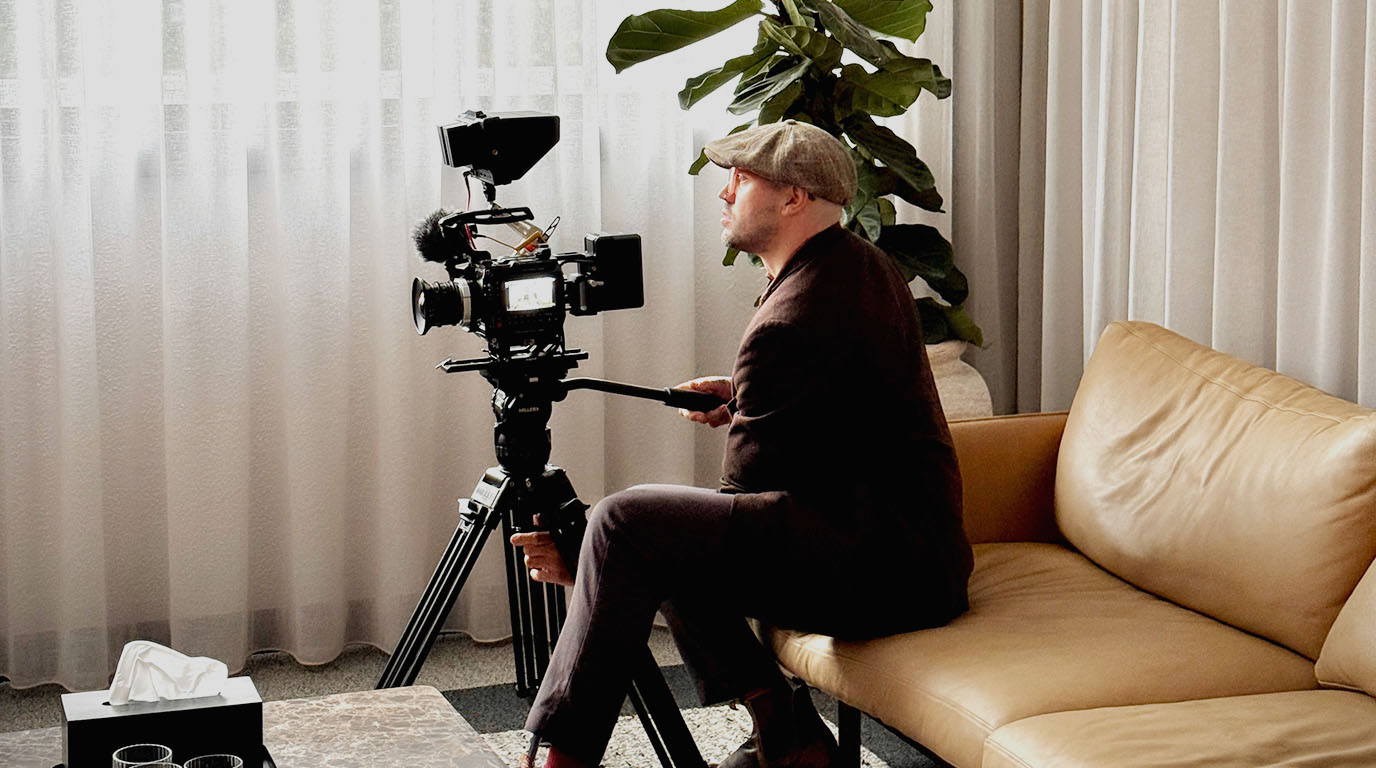
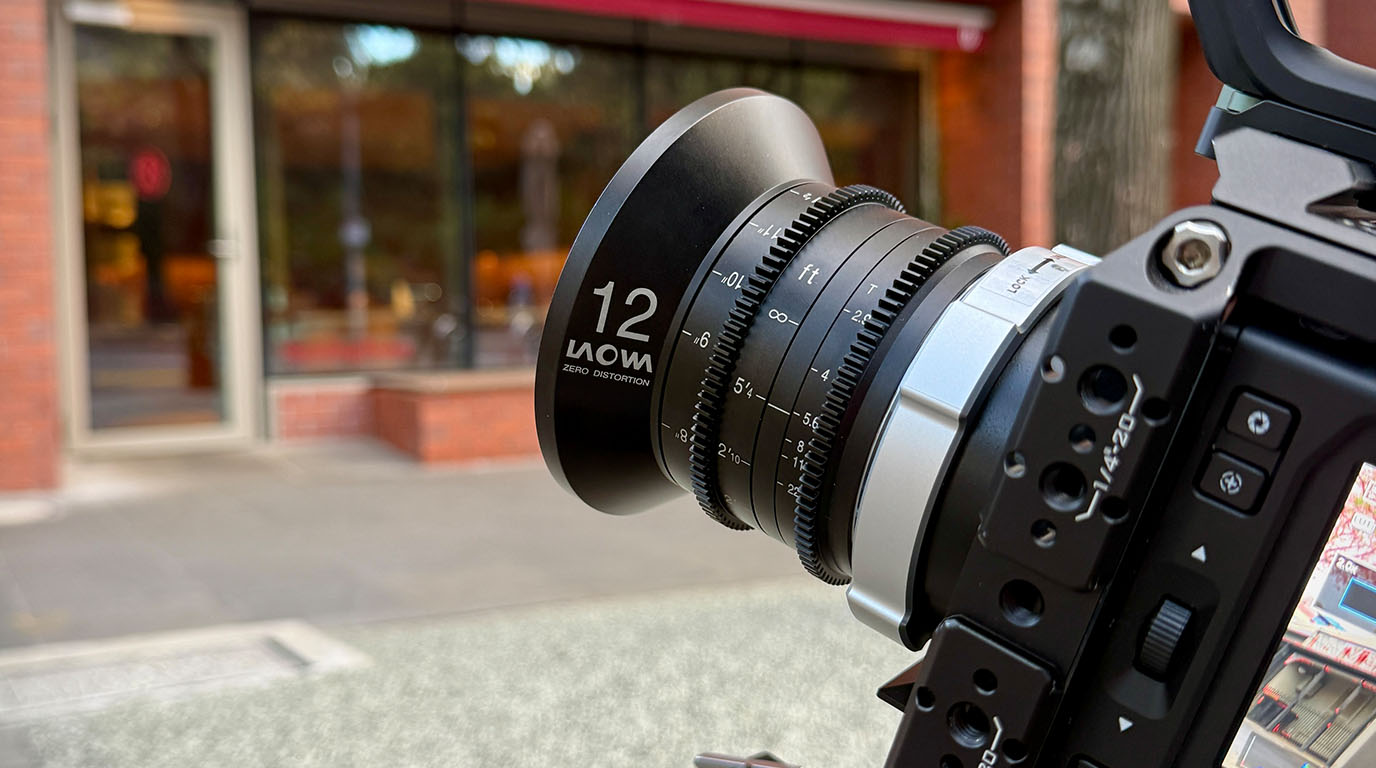
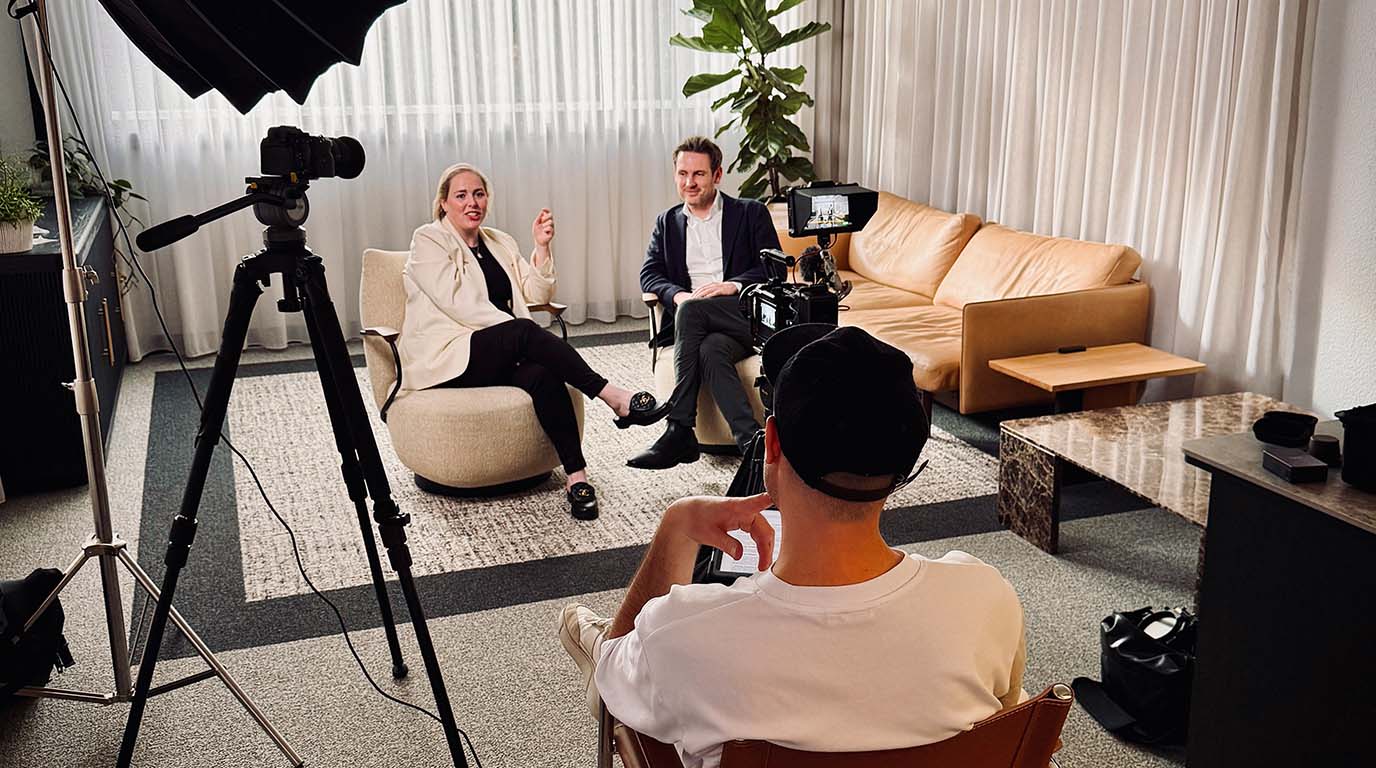
Camera operator: $1,000-$1,200. They are framing, composing, managing technical elements. Skill level varies wildly. A skilled operator is not cheap.
Production assistant or focus puller: $700-$900. Managing logistics, running backup systems, ensuring focus is tack-sharp, handling audio. On a one-person shoot (freelancer), this role does not exist, which is why you notice when something goes wrong.
Producer: $700-$900 (on larger shoots). Managing the day, keeping everyone on schedule, solving problems, being your point of contact. They are not behind the camera but they are critical.
Equipment rental (if not owned): $600-$800. Cinema camera, lenses, audio gear, lights, stabilisation equipment. Good equipment costs money to own, so production companies rent to match the right tool to the job.
Location fees: $200-$400. Permits, parking, venue access if required.
This is what people think video production costs. It is actually only 40% of the total.
Post-production: editing and finishing ($3,600-$4,500)
This is where the real time investment happens.
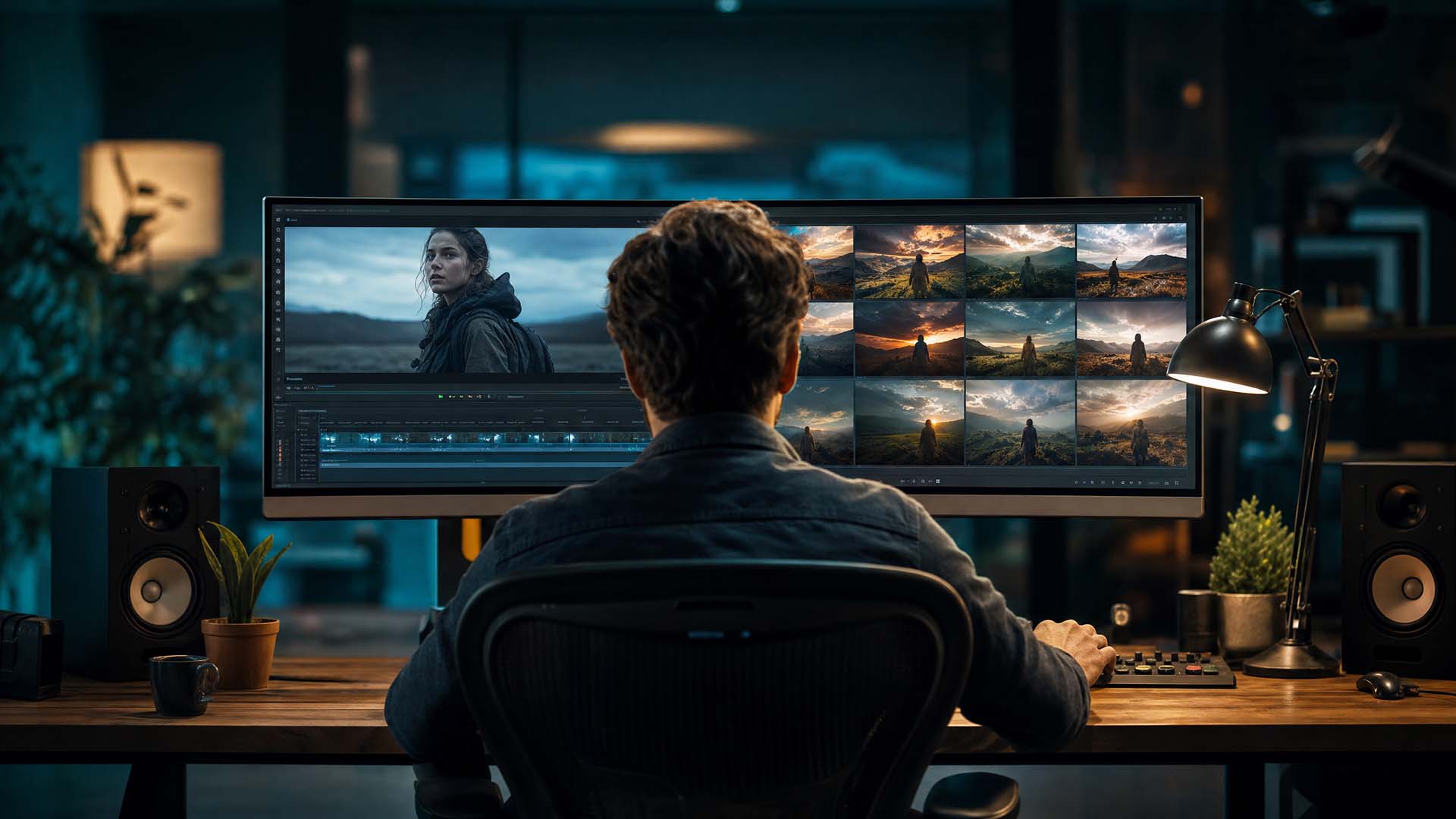
Assembly edit (rough cut): Editor watches all footage, creates a first pass edit. This takes 30-40 hours for a 3-5 minute corporate video. $50-$70/hour = $1,500-$2,800.
Color grading: Making the footage look cohesive, matching color tone across all clips, creating mood. This is not just "making it look nice." It is a craft. 8-12 hours = $400-$840.
Sound design and mixing: Cleaning audio, removing background noise, balancing levels, adding music and sound effects. Bad audio destroys a good video. 8-12 hours = $400-$840.
Motion graphics and titles: Adding graphics, lower-thirds, text overlays. This is design work. 5-8 hours = $250-$560.
Revision rounds: Client feedback, revisions, re-edits. This is why revision limits are built into quotes. 2-3 rounds is standard. More than that eats the budget.
Final delivery: Exporting in multiple formats (web, social, broadcast), backing up files, uploading to client. 3-5 hours = $150-$350.
Post-production is 50% of the budget for a reason. Editing is where the story is actually built.
Hidden costs (infrastructure and overhead) ($300-$500)
Software subscriptions: Editing software, color grading tools, stock music and footage licenses, cloud storage. These are monthly expenses that production companies absorb. Your shoot is one of dozens that cover these costs.
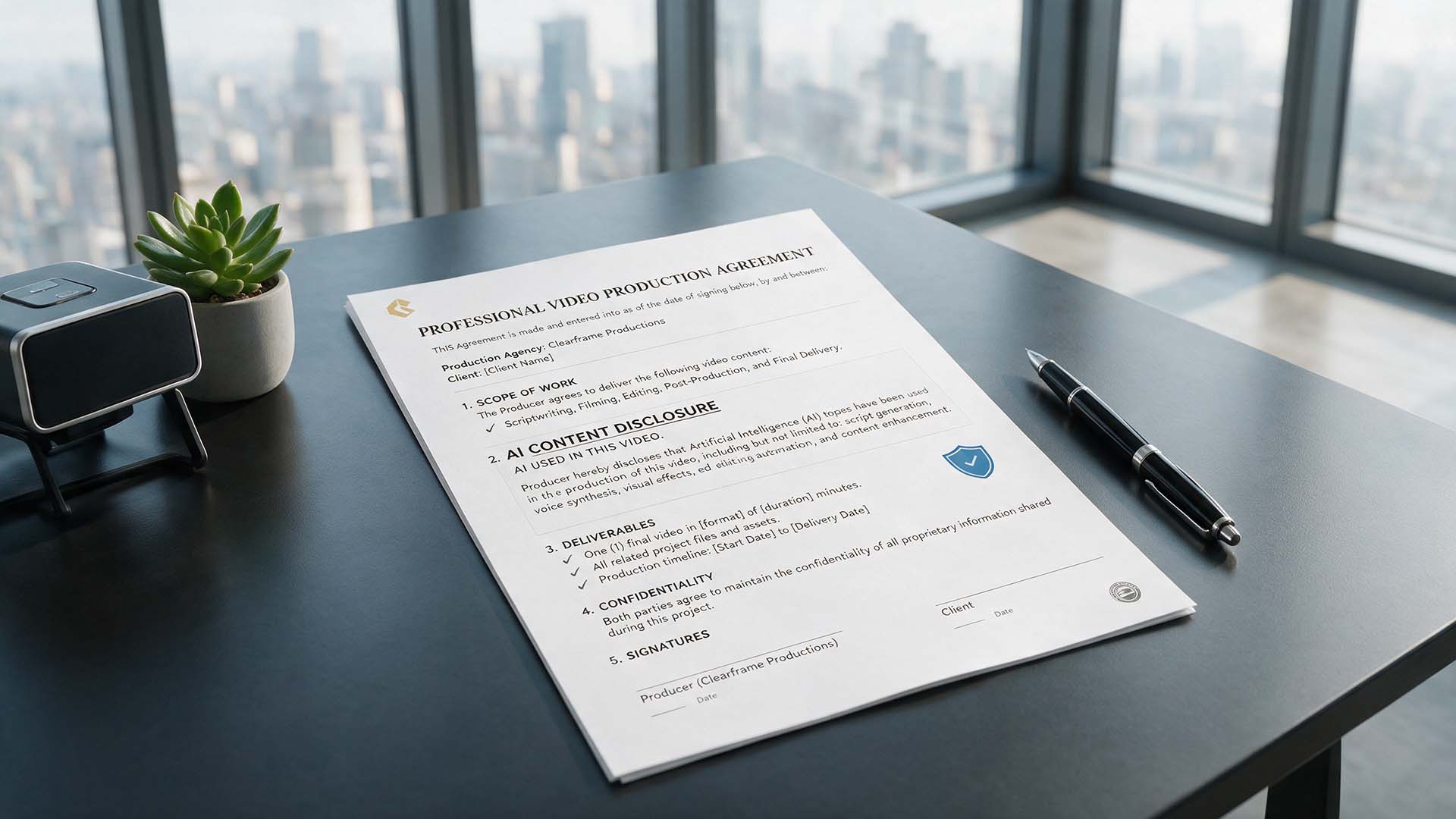
Insurance and licensing: Professional liability insurance, equipment insurance, music licensing for the finished video. This is not negotiable if you want professional protection.
Backup systems: Redundant hard drives, backup cameras, backup power supplies. These cost money and most clients never see them used (until they need them).
Overhead: Office space, utilities, staff salaries for producers and project managers. All absorbed into project costs.
These are not profit. These are real operational costs.
What you are actually paying for
Labor: 60-70% of your budget. Skilled professionals - a camera operator, an editor, a producer, an audio specialist. This is not cheap because it is not routine work.
Equipment: 15-20% of your budget. Cinema-quality gear that costs tens of thousands of dollars to own.
Infrastructure: 10-15% of your budget. Insurance, software, backup systems, legal protection.
Profit: 5-10% of your budget. If a production company is not making profit, they close in three years.
Freelancer pricing (why it is lower)
Freelancers charge $2,000-$4,000 for the same shoot because:
- One person does multiple jobs (camera + edit = quality suffers in one area)
- No backup systems (when something fails, you have no recourse)
- No insurance (you assume risk)
- Lower overhead (working from home, no office, no staff)
- Less sustainable (they burn out, disappear, or get sick)
They are not being greedy. They are just not bearing the costs that production companies do.
Lower price comes with lower reliability, fewer backup systems, and less accountability. Understand the difference between hiring a freelancer and a production company.
How to optimise video production costs
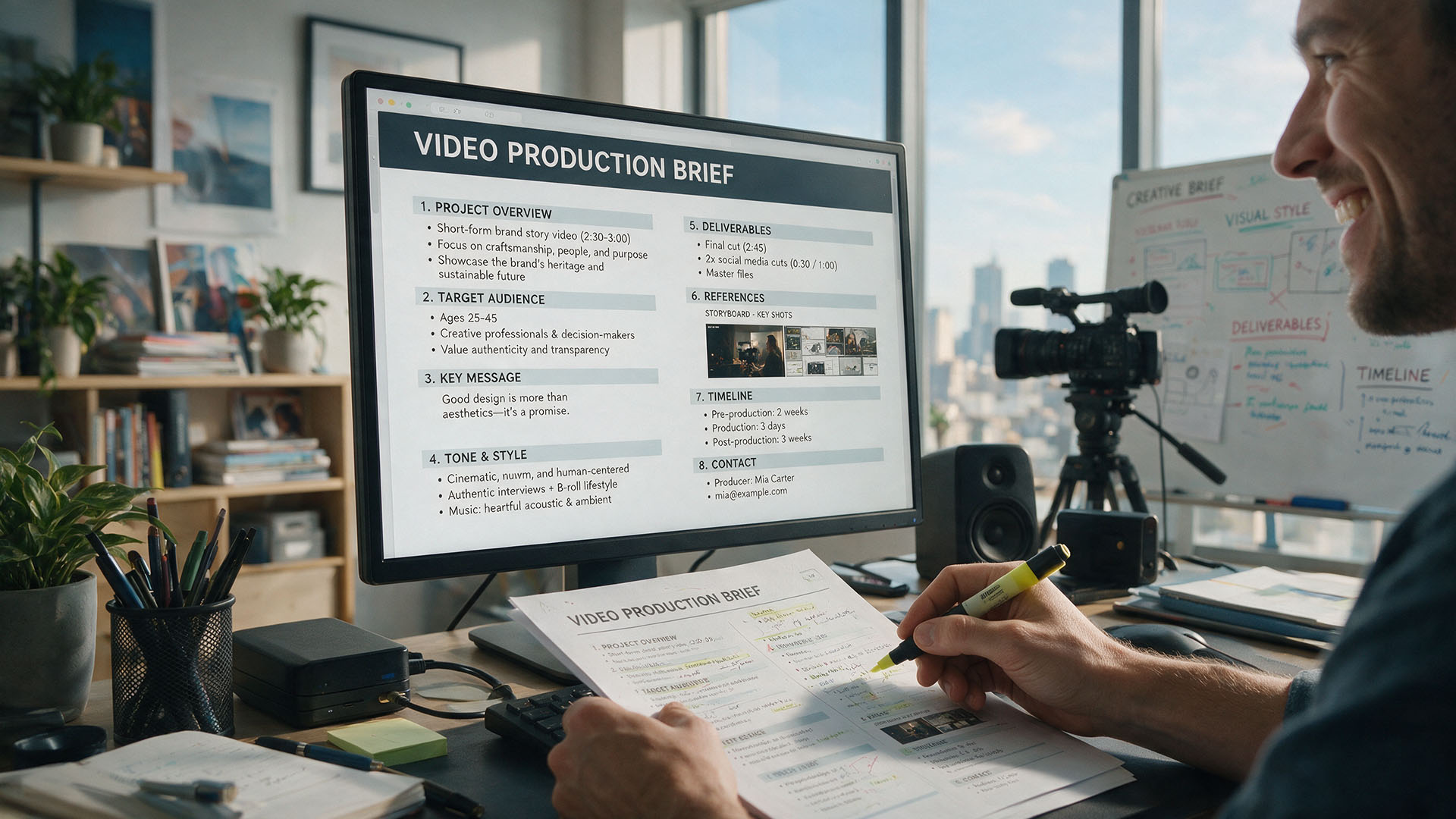
1. Clear briefs reduce scope creep
Vague briefs lead to clarification calls, concept changes, revisions, and wasted time. A clear brief speeds everything up and reduces costs. This keeps everyone honest and protects your budget.
2. Limit revision rounds upfront
Unlimited revisions are a cost killer. Set 2-3 rounds in your agreement. Beyond that, you pay by the hour. This keeps everyone honest.
3. Consolidate shoots
Instead of three separate half-day shoots, do one full-day shoot with multiple scenes. Crew setup time is a fixed cost. Use it efficiently.
4. Reuse footage
One shoot can fuel months of content. Get social clips cut, interview cutdowns, email snippets, GMB posts. Spread the production cost across multiple deliverables.
5. Know what you actually need
Do you need 4K, or does 1080p work? Do you need color grading, or can you go with basic correction? Do you need an audio specialist, or is the camera operator handling sound? Be honest about what matters for your use case.
The value equation
A $9,000 video that you use for three years and repurpose across social, web, internal training, and sales is incredibly cheap per use.
A $3,000 "cheap" video that misses your deadline, needs reshoots, or looks unprofessional costs a lot more when you factor in lost ROI.
Production companies charge what they charge because they deliver reliably, on time, with backup plans and accountability. Freelancers charge less because they absorb more risk and deliver on a best-effort basis.
Neither is wrong. They are different value propositions for different comfort levels with risk.
We deliver production company reliability and transparency. We are transparent about budget. Questions about where your money goes? Get in touch
Frequently asked questions about video production budgets
“
Nathan FollettFounder, WVFRM
Quote builder
Try our video quote builder
Pick your video type, shoot length and extras, and see a ballpark price in a couple of minutes. No email needed.
Ready when you are
Brief us today. Get an itemised quote within 24 hours.
Send a rough idea or a full brief. We will come back with a clear scope, a fixed price and a plan for your shoot.
15+
years filming
100+
brands
2,000+
videos
Nathan FollettFounder, WVFRM, Fitzroy studio