
How to brief a videographer: what information they need

How to brief a videographer: what information they need
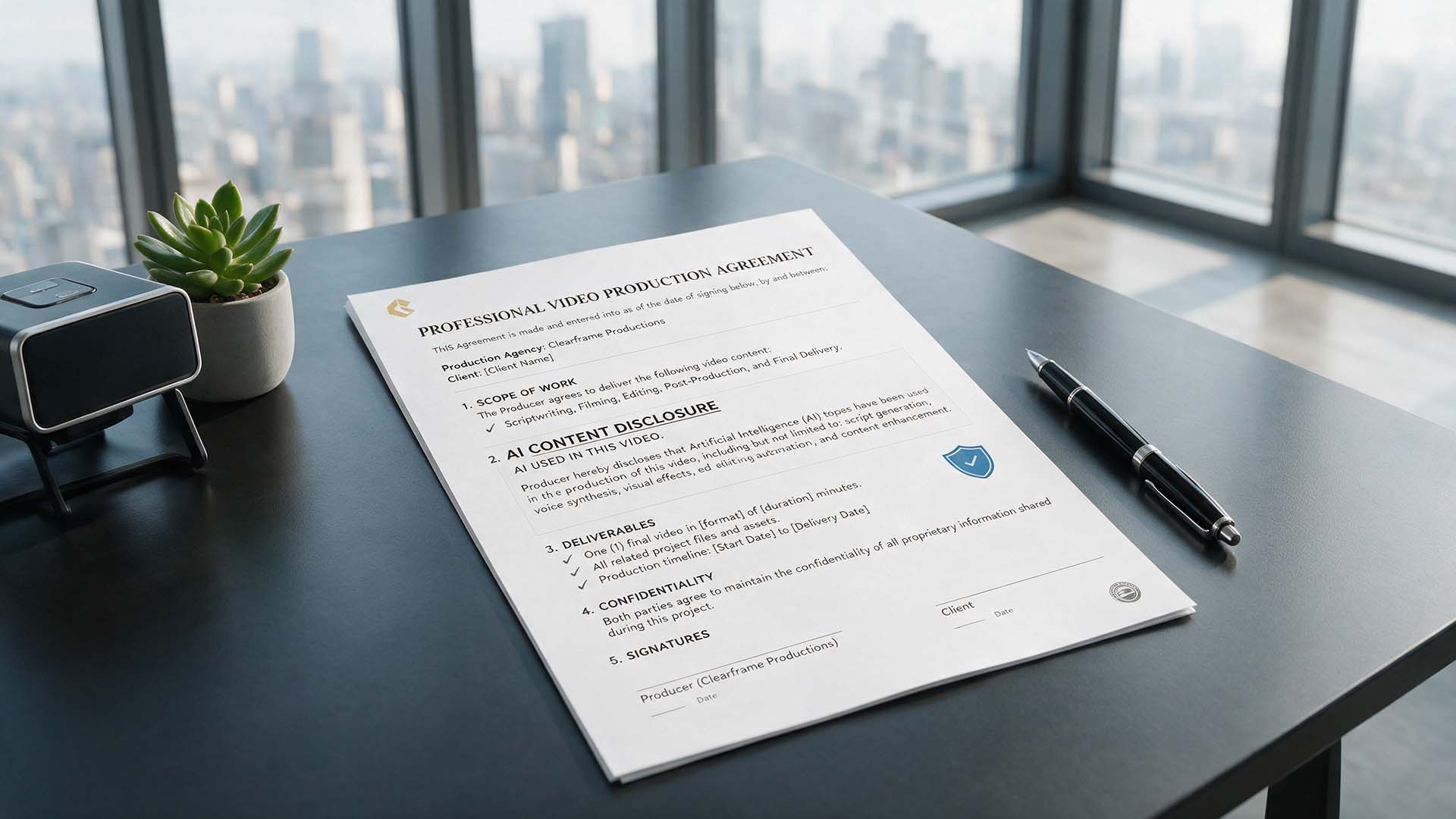
The best video productions share three things: a really strong brief, a really good pre-production window, and clients who trust their video production team to create magic.
A good brief gets you a good quote. A vague brief gets you confusion, scope creep, and a quote that does not match your actual needs. A clear brief also gets you a better video, because your videographer understands not just what you want, but why it matters.
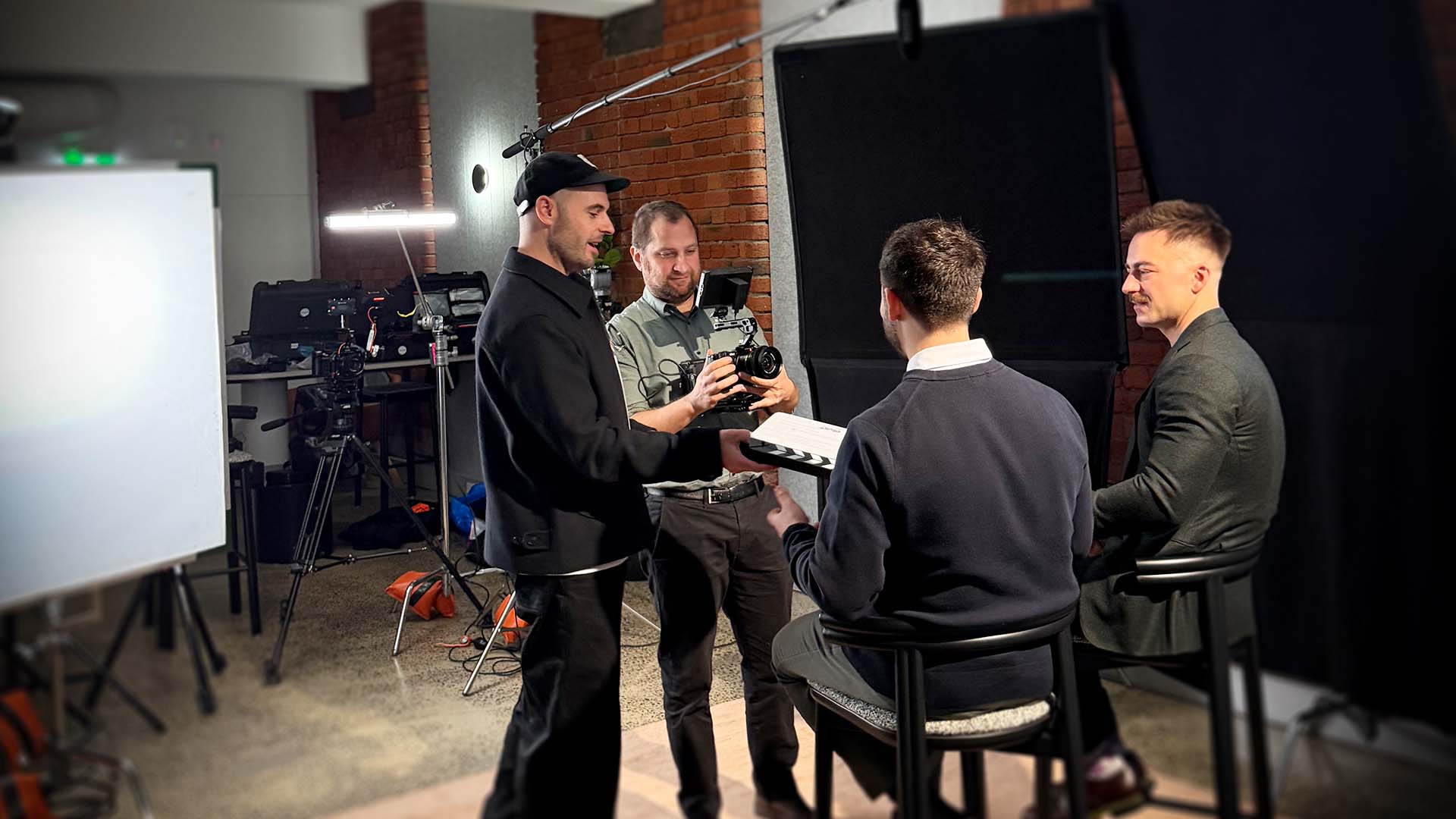
Pre-production is where the real work happens. It is where your videographer thinks through your story, solves problems before they happen on shoot day, and builds a plan that protects your investment. But pre-production only works if your brief gives them the information they need to do that work.
Here is exactly what information to include in your video production brief so videographers understand your project and can plan accordingly.
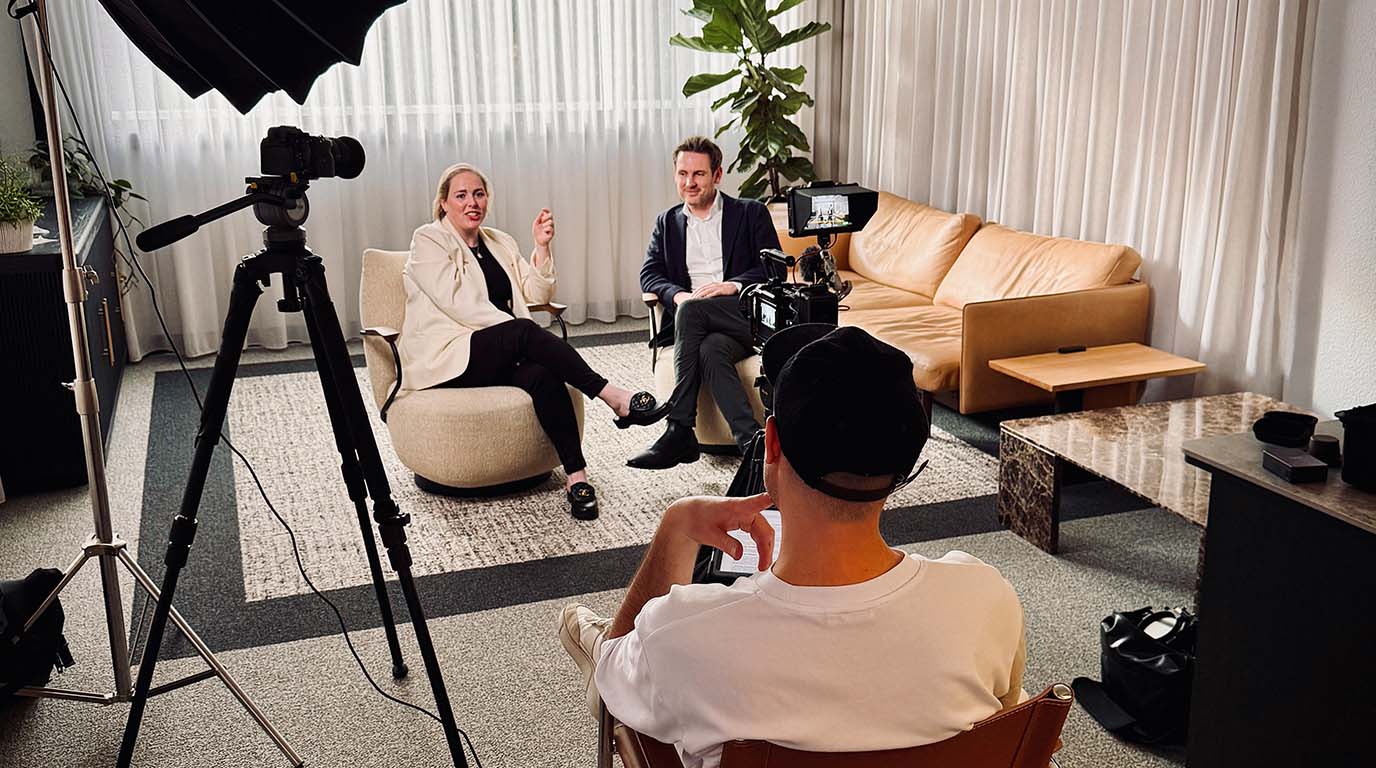
What a videographer needs to know upfront
1. Project goal (the one sentence that matters)
"We are launching a new product and need a 60-second video to promote it on LinkedIn and our website."
Not: "We need some video."
Be specific. What is this video for? Where will it live? Who is the audience? What should it make them do?
2. Deliverables (what you actually need)
One 60-second cut? A 60-second cut PLUS three 15-second social clips? A 15-minute long-form version for internal training? Extended interview footage? Specify all of it.
Different deliverables change the shooting strategy and edit timeline. If you do not specify, the videographer assumes the minimum and you get surprised when you ask for extras.
3. Timeline (when do you need it?)
"We need it for a product launch on October 15th. Final video needs to be ready by October 1st."
Not: "Soon."
Realistic timelines: pre-production (1 week), shoot (1 day), post-production (2-3 weeks). Adjust expectations if you need it faster (rush fees apply).
4. Budget (what can you actually spend?)
This is awkward to say, but videographers need it. "$5,000 budget" is vastly different from "$15,000 budget." Budget determines crew size, shoot scope, and post-production quality.
You do not need to disclose your entire budget. Give a range. "$5,000 to $7,000" is enough.
5. Your brand and tone
"Our brand is professional but approachable. We want the video to feel high-end but not stuffy. Think Apple marketing meets human conversation."
Share brand guidelines if you have them. Share examples of videos you like. Do not just describe it - show reference videos. Videographers understand visual communication better than verbal description.
6. Target audience
"This video is for C-suite executives in manufacturing, aged 45-65, making purchasing decisions."
Different audiences need different approaches. B2B is not B2C. Internal employees respond differently than customers. The audience shapes everything about how the video is shot and paced.
7. Key messages (what must be communicated)
"The video must communicate: speed (we are faster than competitors), reliability (we have been around 20 years), and innovation (we use latest technology)."
These are your non-negotiables. Everything else can be discussed. If the video does not hit these three things, it has failed. Be clear about them upfront.
8. Constraints and logistics
- Available locations (in-office only, or can we film at multiple sites?)
- Talent availability (are interview subjects available? Which days?)
- Existing footage or assets (do you have stock photos, logos, product samples the videographer should know about?)
- Technical requirements (does it need to be 4K? Does it need to work on mobile?)
Constraints shape the shoot. Videographers need to know them before quoting.
What NOT to include in your brief
Do not micromanage the creative.
"Scene 1: Close-up of the product. Scene 2: Wide shot of the factory. Scene 3: Interview with the CEO saying these exact words..."
Videographers are professionals. Let them create. Discuss tone and approach. Do not write the treatment.
Do not specify equipment or technique.
"We want you to use a RED camera and shoot on anamorphic lenses."
You do not need to. Videographer will choose the right tool for the job. If you have specific technical requirements (4K, 60fps for slow-motion), mention that. Let them handle the how.
Do not assume they know your industry.
"We need a video explaining our SaaS onboarding workflow."
Yes, but what does your product actually do? What problem does it solve? What is the user journey? Explain the basics. Do not assume industry knowledge.
How to structure your brief
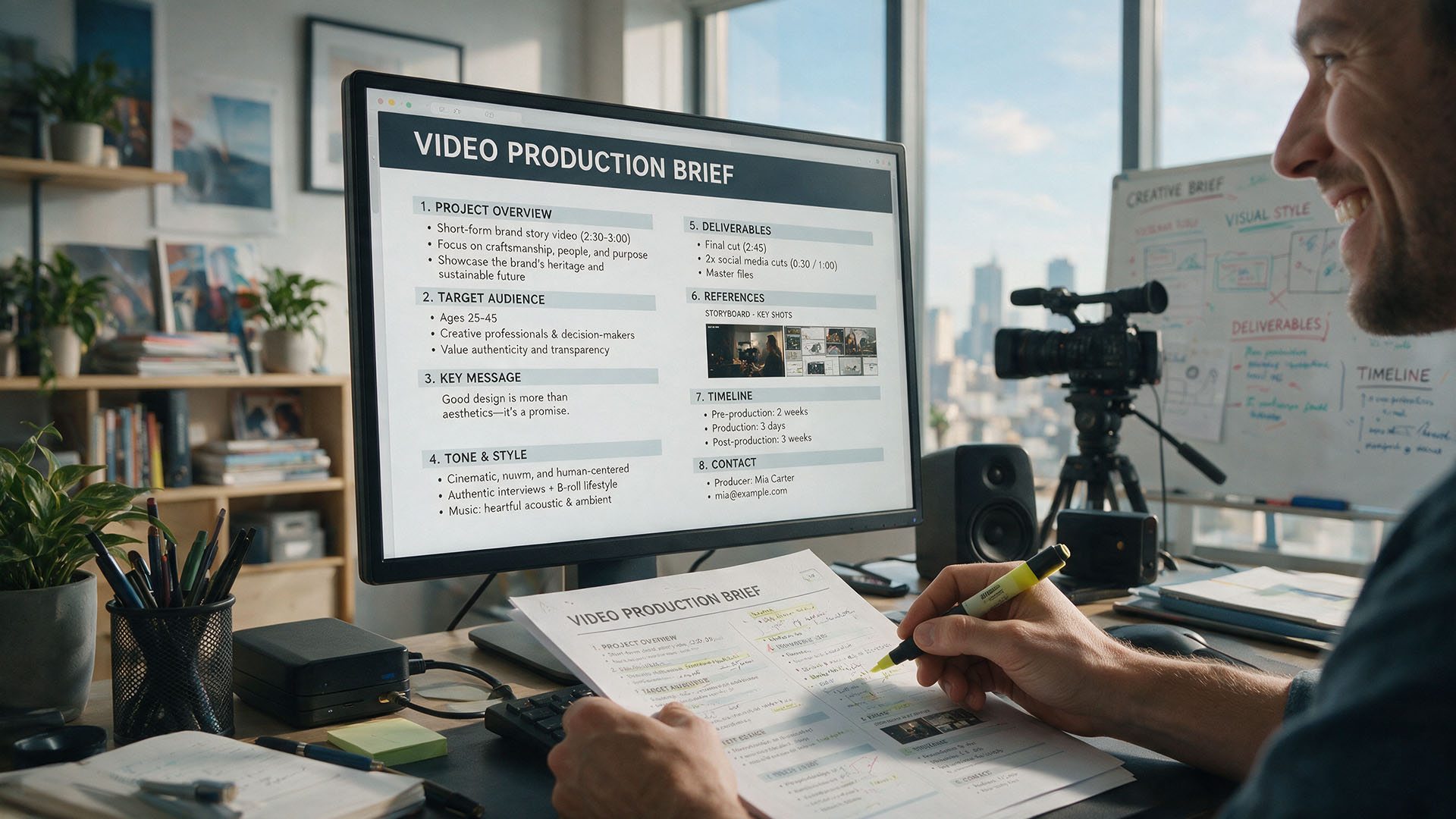
Email or document. Does not matter. Include these sections:
Subject line: "Video Production Brief - [Project Name]"
Project Overview:One paragraph describing what you need and why.
Deliverables:List format. What exactly are we creating?
Timeline:When do you need it? When is it launching?
Budget:Range is fine.
Brand & Tone:Describe or link brand guidelines. Share reference videos you like.
Target Audience:Who is this for?
Key Messages:What must this video communicate?
Logistics & Constraints:Available locations, talent availability, existing assets, technical requirements.
Contact:Who is the videographer asking questions to?
That is it. Keep it under two pages. Videographers do not need a novel. They need clarity.
Common brief mistakes
Being too vague: "We want a professional video." Professional how? For whom? Where? Too vague = too many clarification calls.
Being too prescriptive: "Make it exactly like this other video we saw." That is not creative direction. That is copying. Discuss the approach, not the execution.
Not confirming availability: "We want interviews with our three C-suite executives." Did you confirm they are available on the shoot date? No? Now the shoot is delayed.
Changing the brief mid-shoot: You sent a brief for a 60-second video. Shoot day arrives and you ask if crew can also capture 40 minutes of interview footage. That is scope creep. Brief changes cost time and money.
Assuming the videographer knows your business: They do not. Explain what your product does, who your customers are, and why this video matters. Five minutes of context saves hours of clarification.
If you are not ready to brief yet
Not everything needs to be perfect. If you are still figuring out your project, that is fine.
Tell the videographer: "I have a rough idea but need help refining it. Can we schedule a consultation call?"
Many videographers offer free consultations. Use it. Talk through your goals. They will help you clarify what you actually need. Then they write the brief based on that conversation.
This is much better than sending a vague email and hoping for the best.
Ready to brief?
If you have thought through goal, deliverables, timeline, budget, and audience, you are ready to reach out. Use our pre-proposal form to start the conversation. Tell us what you need, and we will scope it properly.
The clearer your brief, the faster the quote and the better the video.
Frequently asked questions about the briefing process


.svg)