
Who Owns the Video Footage After Production? Your Rights Explained

Who owns the video footage after production? Your rights explained
This is the question nobody asks until after they've signed the contract and the editor sends the first draft. By then, confusion is expensive.
Here is what actually happens to your footage, what you actually own, what you can do with it, and what the industry standard looks like.
The short answer
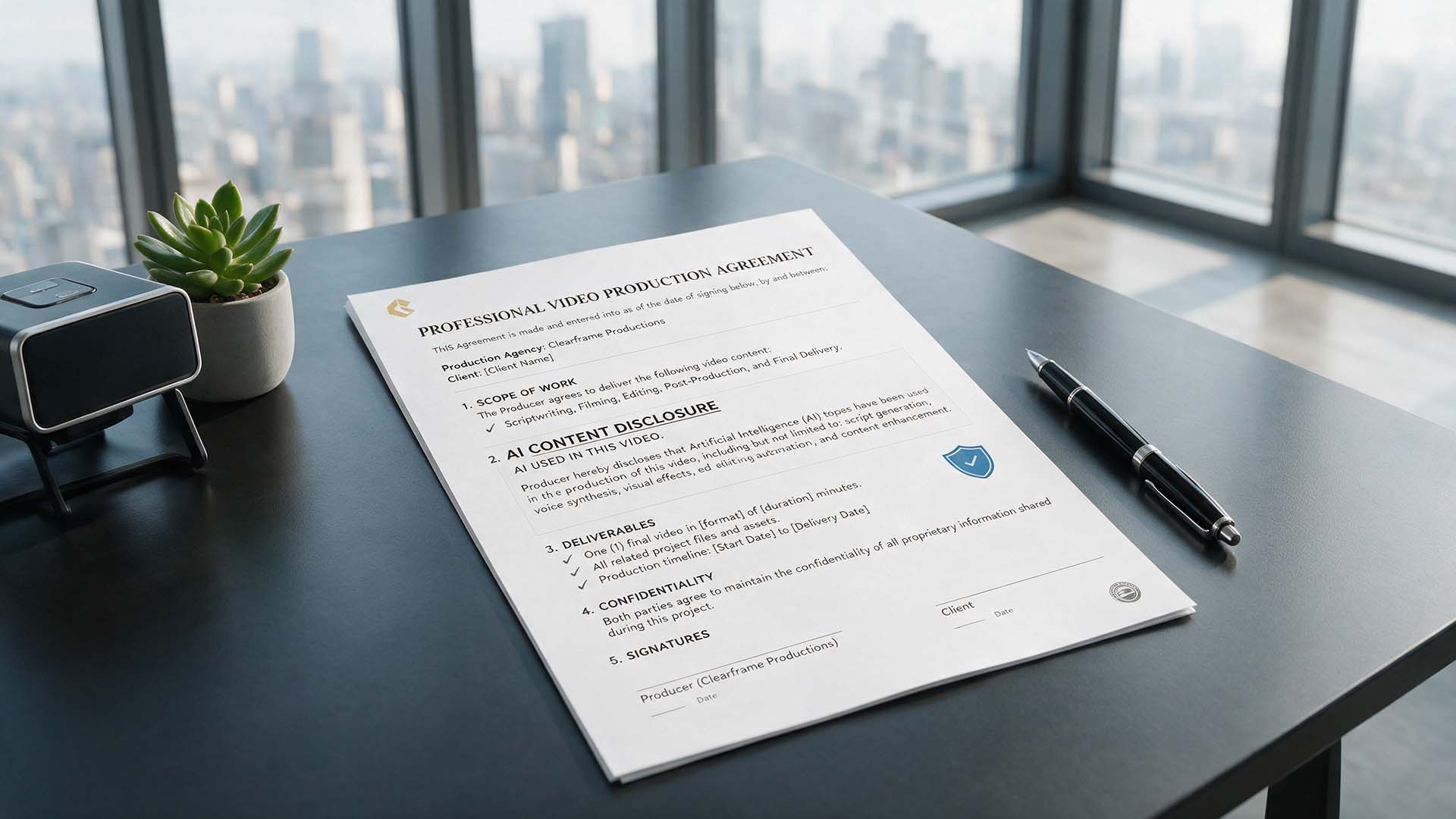
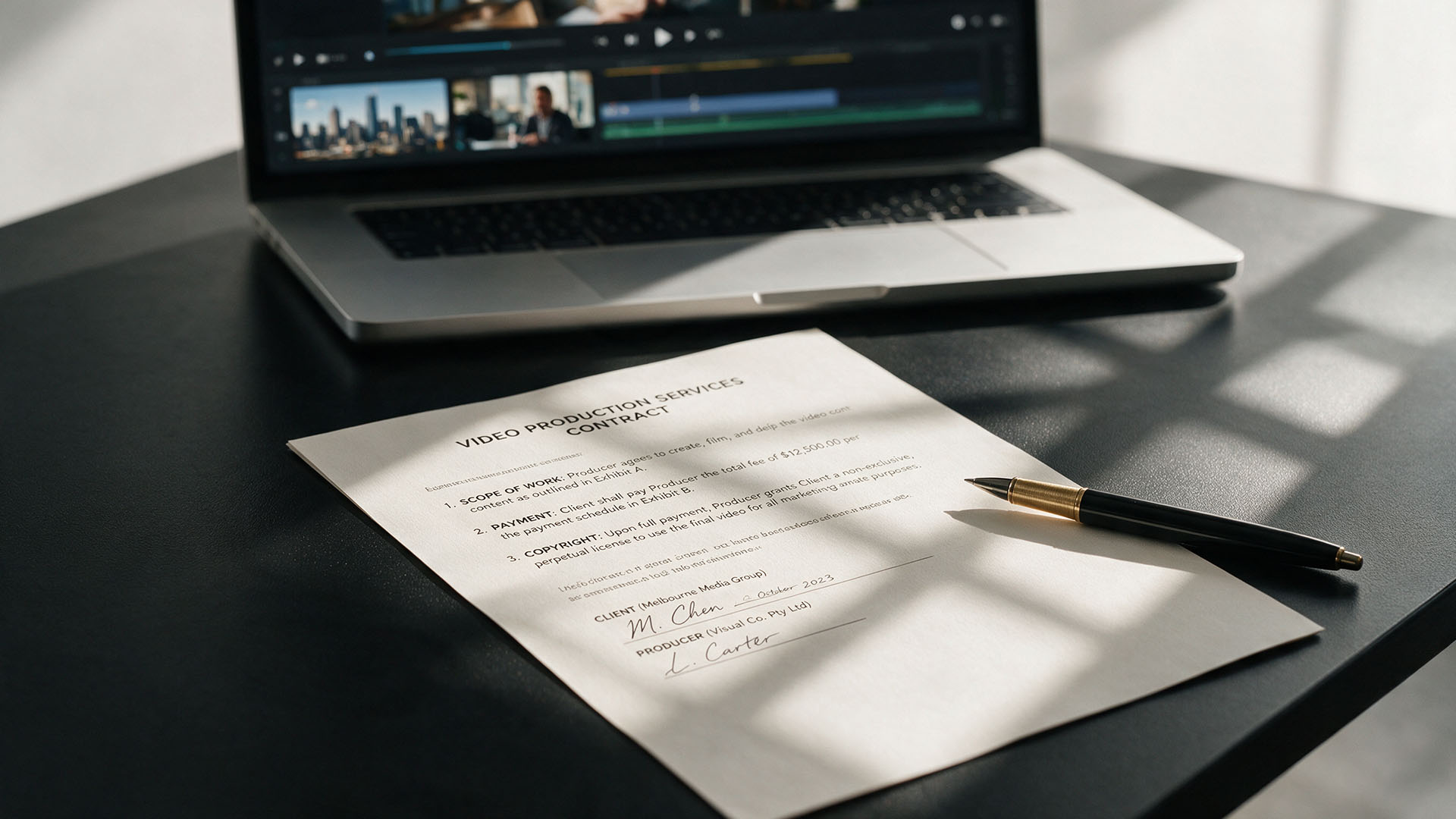
In most production agreements, you own the finished video. Raw footage is usually licensed to you, not owned by you. You can use the finished edit however you want (within the terms you negotiated). You cannot re-license the footage to a third party or sell it without renegotiation. If you want ownership of raw footage, it costs extra and needs to be specified upfront.
That is the industry standard. Everything else is negotiable.
What you own vs. what you license
You own: The finished edited video that was delivered to you. The edit, the cuts, the colour grade, the sound mix. That is a creative work made for you, by you, under your commission. You own it outright.
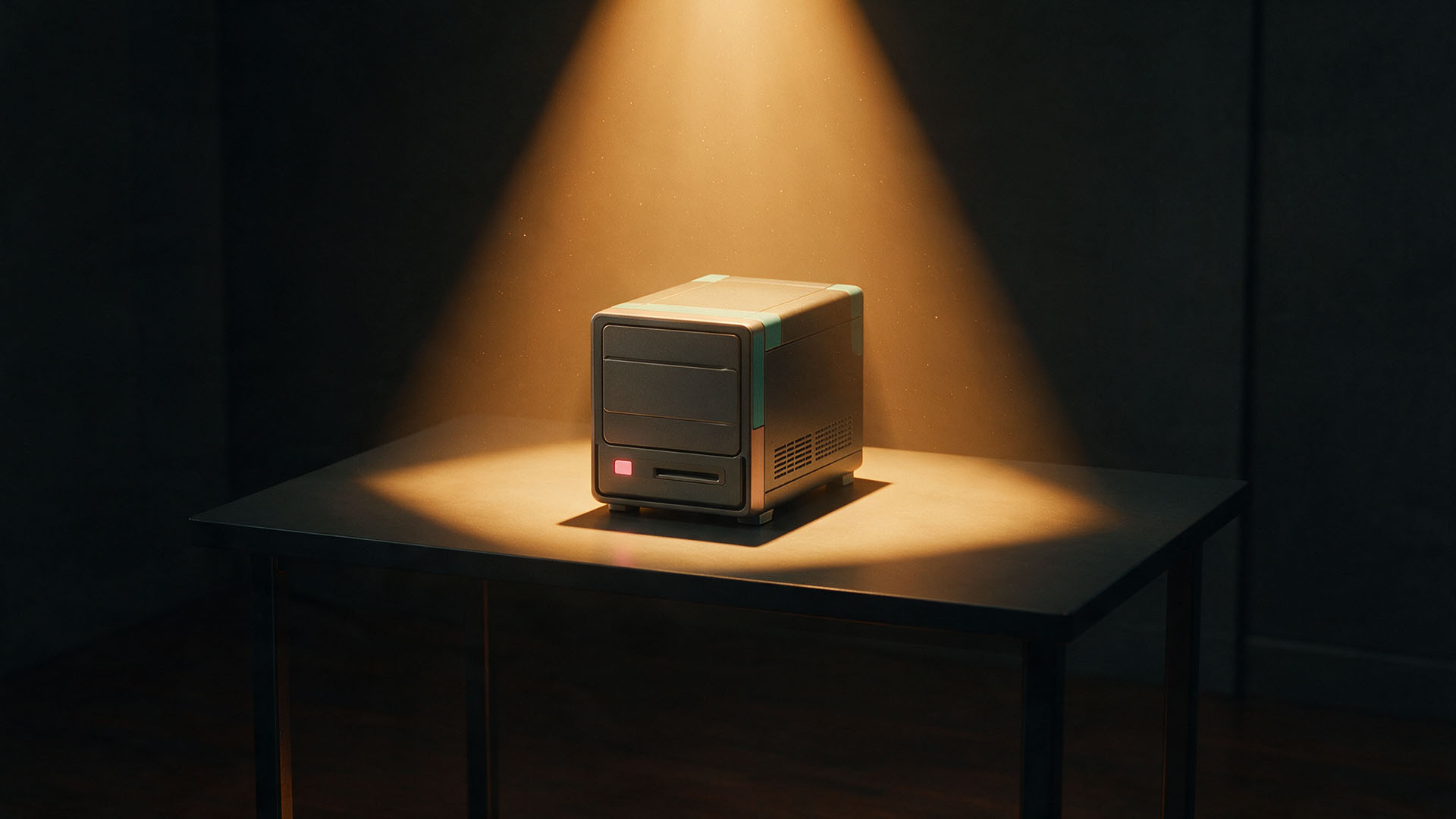
You license: The raw footage, in most cases. That means you have the legal right to use it (in the finished video and in approved derivative works), but the videographer retains ownership. If the videographer goes out of business, the raw files technically still belong to their estate. If you want to re-edit the footage later with a different editor, you need permission or you need to have negotiated ownership upfront.
You don't own: Music, if it is licensed stock music. You have a licence to use it within the finished video. Talent releases from interview subjects. Rights to people's faces and voices beyond what is already in the finished video.
How raw footage ownership changes pricing
Raw footage ownership is a negotiable variable, like everything else in video production. It has a price.
Standard agreement (no raw ownership): Videographer retains raw footage ownership. You get the finished video and a licence to use raw footage within approved edits. This is the baseline price. Cheaper for you upfront.
Raw footage ownership transfer: You own the raw footage outright. You can re-edit it, re-use it, hand it to another editor. This costs more because the videographer is giving up future leverage and reuse rights. Typical premium: 20 to 40 percent above the base rate, depending on exclusivity and usage scope.
Partial raw footage release: Videographer gives you access to selected raw files (interview cutaways, B-roll) but retains ownership of master tapes and metadata. Splits the difference on cost and control.
Why the cost difference? Because footage is leverage. If you own the raw, the videographer loses the ability to re-edit the same material for another client, create outtakes content, or use it in their own reel. They also lose insurance against you using it in ways they did not intend. Charging more protects them.
The five variables that affect raw footage rights
1. ExclusivityExclusive footage (only you can use it) costs more than non-exclusive (the videographer can use it in their reel or for other purposes). If you are paying for exclusivity, you are paying for the videographer to not benefit from their own work elsewhere. That premium is real.
2. TerritoryWorldwide rights cost more than regional rights. If you negotiate "Australia only," the videographer can still license the footage internationally. If you want worldwide exclusivity, the price goes up.
3. Duration"Perpetual" rights (forever) cost more than "12 months" or "campaign duration." Limiting the time frame lets the videographer re-use or re-license the footage after your window closes. Perpetual means they cannot.
4. Media scopeSocial media only is cheaper than "all media." Social + broadcast + print + internal comms is more expensive. Broadcast rights especially cost more because the audience size is larger and the exposure is greater.
5. Re-cut rightsCan you take the raw footage and make a 30-second social clip without asking? Can you re-cut it into a different edit months later? Re-cut rights vary. Some agreements allow unlimited re-cuts from the finished edit (common). Some allow re-cuts from raw footage (less common, usually costs extra). Some forbid re-cuts entirely (rare, usually only for high-profile broadcast work).
What should you negotiate upfront?
Before you sign anything, clarify these four things in writing.
1. Do you need raw footage ownership, or just the finished video?Most of the time, you only need the finished video and the right to use it however you want. Raw footage ownership is a nice-to-have, not a must-have. It costs 20-40% more. Decide if it is worth it before you ask.
2. What re-cut rights do you have?Can you take the finished 90-second corporate video and cut it into three 30-second social clips? Probably yes, that is standard. Can you re-edit the raw footage into a completely different cut? Usually no, unless you negotiate it. Nail this down.
3. How long is your usage window?Perpetual (forever) or campaign duration (6 months, 1 year)? Shorter windows are cheaper. If you only need the video for this quarter's campaign, do not pay for perpetual rights. If you are building brand assets, perpetual makes sense.
4. What territory does the footage cover?Australia-only or worldwide? For local campaigns, Australia-only is fine and cheaper. For international rollouts or if you might license the footage to partners in other markets, negotiate worldwide upfront.
Get these four answers in the quote or contract, in writing. Do not assume.
Who actually retains raw footage?
The videographer, in most cases. Here is why: Read how corporate video production companies manage client delivery.
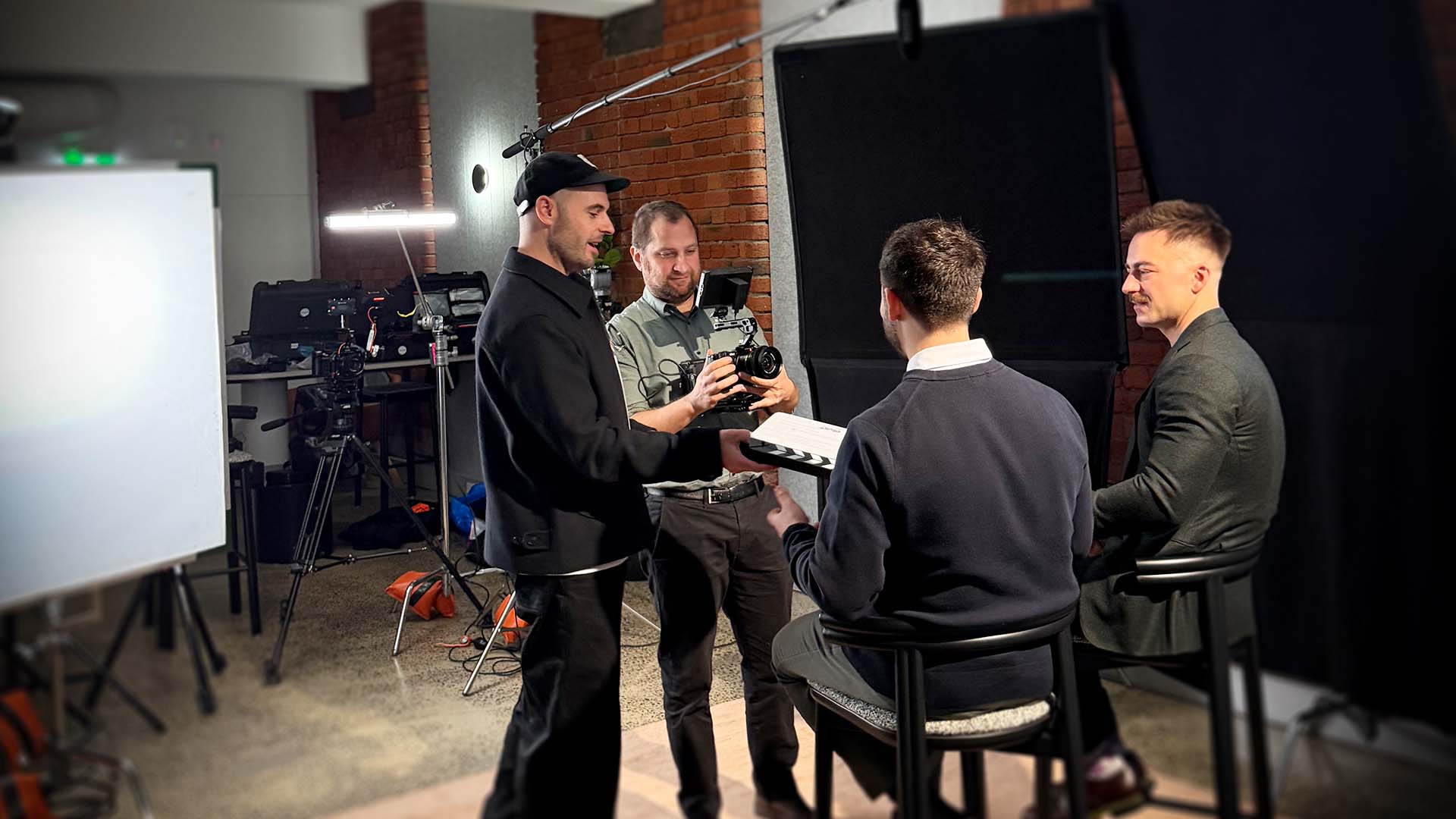
Raw footage includes hours of rushes, false starts, bad takes, and technical files. Storing it, backing it up, and maintaining it costs money and effort every year. The videographer keeps it for archival, insurance, and in case you need retakes or reshoots. If they deleted everything after handover, they would have no recourse if you came back saying "actually, can we re-edit this?" or a hard drive failed and you needed a restore.
The finished video is yours. The raw archive is theirs. This protects both of you.
Footage licensing in practice
Here is what licensing actually looks like when you need something beyond the original agreement.
Scenario 1: You want to re-edit the raw footage later with a different editorOriginal agreement says you licensed raw footage, not owned it. You cannot hand raw files to a new editor without permission. You need to ask the original videographer. They might say yes (especially if you pay a re-licensing fee), or they might say no. If you had negotiated raw ownership upfront, this would not be a problem.
Cost to solve: Renegotiate for raw ownership after the fact (costs more than negotiating upfront) or hire the original videographer to supervise the re-edit (hourly rate).
Scenario 2: You want to license the video to a third partyYour finished video is good. A partner wants to use it in their marketing. You cannot just hand them the video without permission from the videographer, because it probably includes music, talent, and footage licensed to you, not to the third party. You need a re-licensing agreement. This is especially relevant if you are thinking about partner content or repurposing footage.
Cost to solve: Renegotiate the license with the videographer (usually 25-50% of the original project cost, depending on scope).
Scenario 3: You want to use the footage in a way you didn't anticipateOriginal agreement was for social media marketing. Now you want to use it in a pitch to investors (different audience, different risk). You need to renegotiate the media scope or usage rights.
Cost to solve: Usually a smaller fee than re-licensing, but it requires asking upfront. Assuming and getting caught is expensive and damages the relationship.
Footage ownership at WVFRM
We deliver your finished video to you outright. You own it. You can use it however you want, for as long as you want, in whatever territory you agreed to.
Raw footage is archived and licensed to you under the production agreement. Re-cuts from your finished video are always included in the project cost. Re-cuts from raw footage, additional edits, or re-licensing for new purposes costs extra and is negotiated per request.
If you need raw footage ownership or exclusivity, tell us upfront. We will quote it (it costs more), and we will make it clear in the agreement. We do not hide licensing terms or spring surprises at handover.
Before you commit to a project, make sure you understand the licensing. Get in touch with a brief and ask about usage rights, raw footage access, and re-cut rights upfront. Or learn what questions to ask video production companies before you start getting quotes.

.svg)